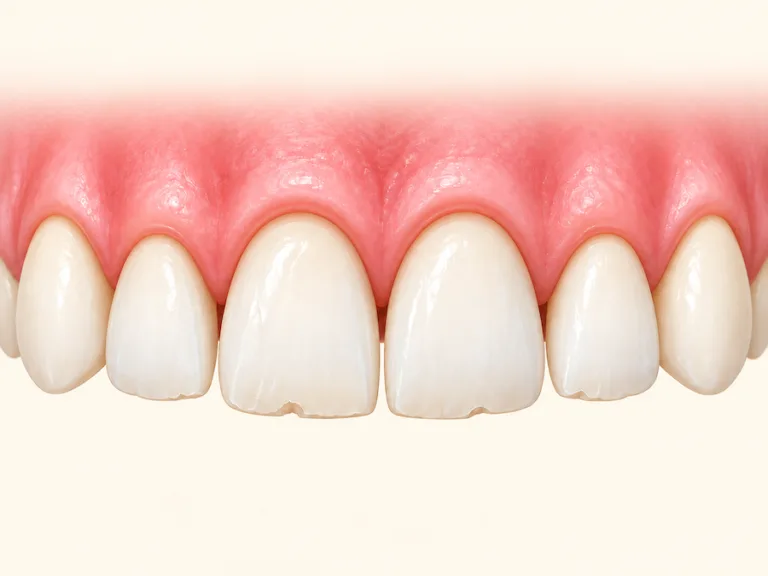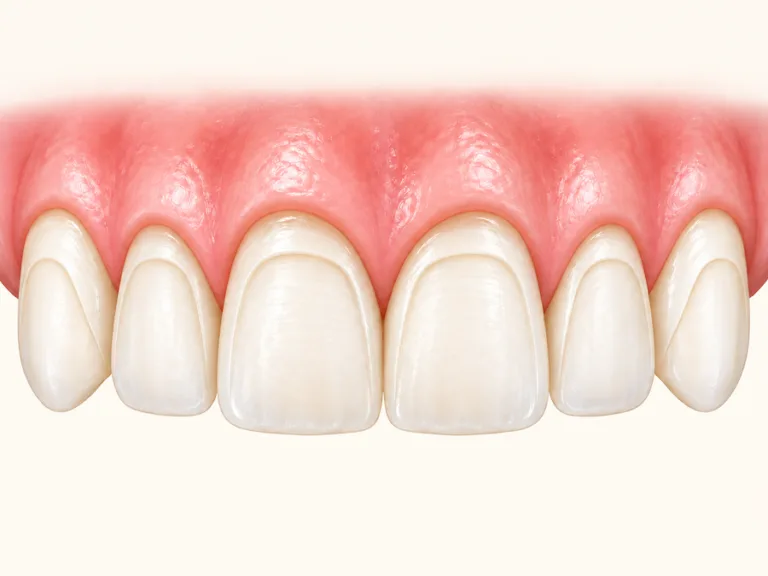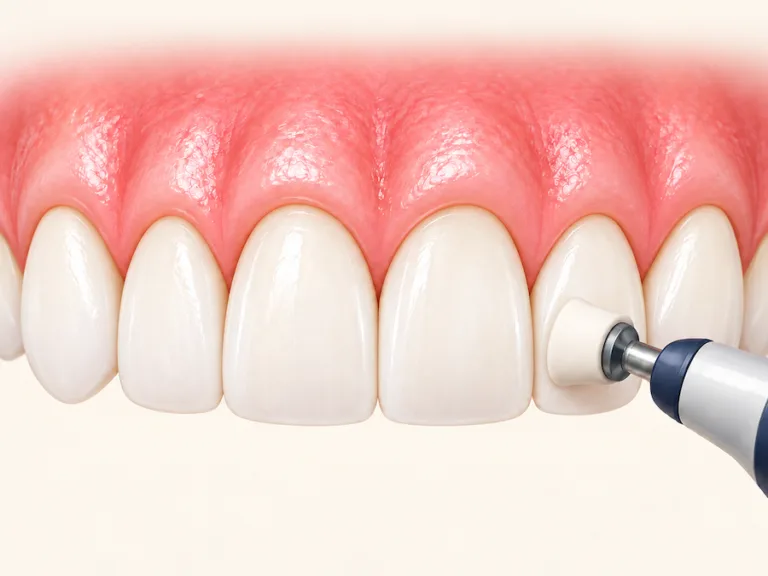
Porcelain veneers are thin, custom-made coverings bonded to the front of your teeth. They can improve discoloration, small chips, gaps, and uneven shapes. Schedule a consultation and we can discuss what you’d like to change and evaluate whether veneers—or another option such as bonding, whitening, or crowns—are a good fit for your teeth.
We examine your teeth and bite, discuss your goals, and develop a plan.
2
Tooth Preparation
We numb the teeth and carefully reshape them as needed to make room for the veneers.
3
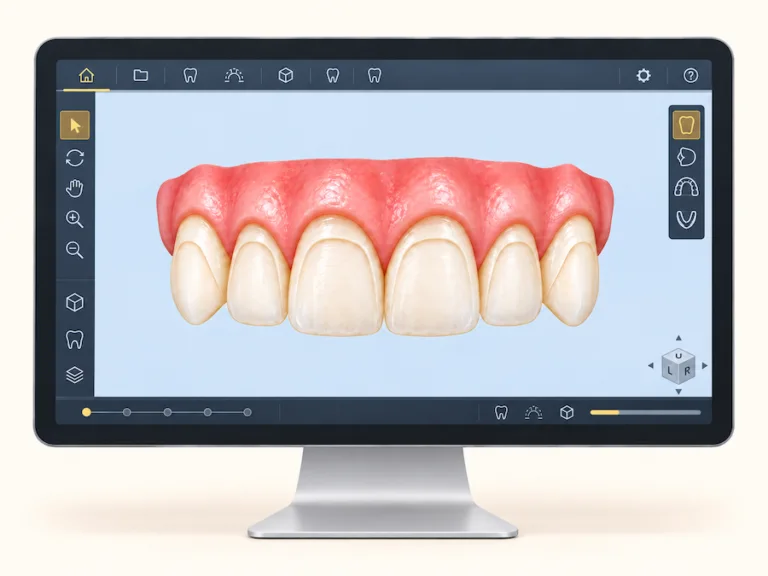
Scan & Temporaries
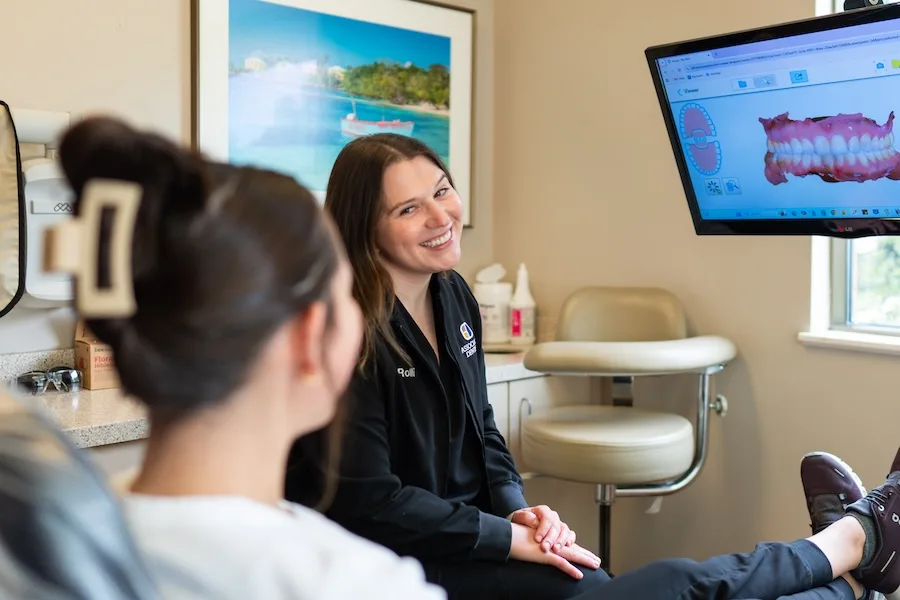
We take a digital scan for the dental lab and place temporary veneers that you'll wear for about 2 weeks.
4
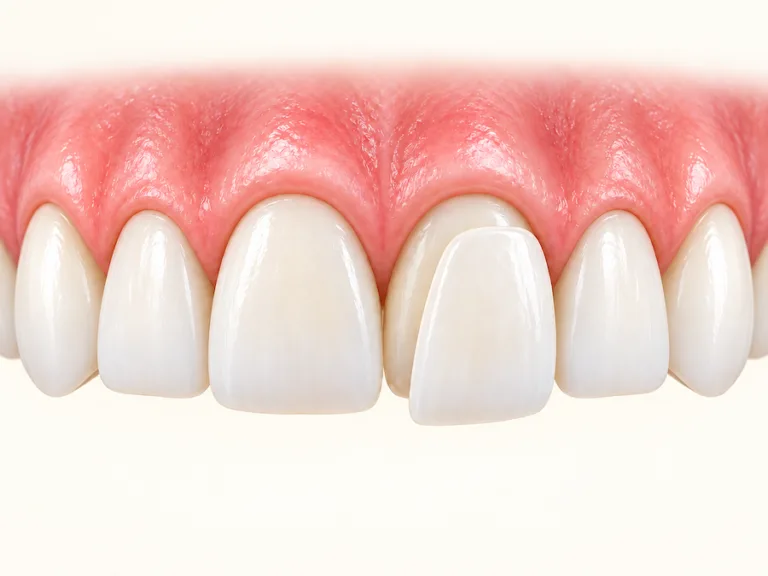
Try-In & Bonding
We check the fit, appearance, and bite. If everything checks out we bond the veneers in place.
5
Final Adjustments
We make any final adjustments and explain how to care for your veneers and protect your new smile.
When Veneers Can Help
To improve discoloration that whitening hasn’t adequately addressed
To repair chipped or uneven teeth
To close gaps between teeth
To create a more consistent appearance across your smile
As part of a broader cosmetic treatment plan
After Treatment
Post-operative care
What to Expect After Veneers
Your teeth may feel temporarily sensitive after treatment.
Your new tooth shapes may take a little time to feel familiar.
Gently swish with a lukewarm salt water rinse (1/2 teaspoon of salt mixed with 1 cup warm water) to soothe any gum irritation.
Long term care
Caring for Your Veneers
Brush and floss normally.
Avoid biting ice, pens, fingernails, or other hard objects (no using your teeth as tools).
Keep up with dental checkups and wear a nightguard if recommended.
A heartfelt thanks to all of the staff at Associated Dentists for giving me back my beautiful smile...Absolutely, unequivocally, and positively life changing! Alex T.
payment information
Cost & Insurance
Before we begin, we'll provide a written estimate showing your cost, your expected insurance benefits, and the amount you'll owe following treatment. There are never any surprises.
We accept hundreds of plans, including Delta Dental, Aetna, Principal and Aflac. Please confirm your specific plan with our office; coverage varies by employer even within the same carrier.
Dental plans don't typically cover veneers. Our benefits team will check on your specific plan and put the numbers in writing before you begin treatment.
Veneers primarily change the appearance of the front of a tooth. Crowns cover more of the tooth and can provide support when it has a large filling or damage. Both can improve your smile; the condition of each tooth helps determine which is appropriate.
What’s the difference between veneers and cosmetic bonding?
Porcelain veneers are custom-made by a dental lab and bonded to your teeth, usually in 2 visits. Cosmetic bonding uses tooth-colored resin shaped and bonded directly to the teeth, often in one visit.
How long do veneers last?
Veneers can serve you for many years. They may eventually need repair or replacement because of damage, wear, or changes to the supporting teeth and gums. Daily care and regular checkups help protect them.
Should I whiten my teeth before getting veneers?
If you want a brighter overall shade, discuss whitening before your veneers are made. Whitening changes the color of natural teeth but won’t lighten porcelain. We can plan the sequence so your veneers match your preferred tooth shade.
How much do veneers cost, and does insurance help?
The total cost depends on the number of veneers and the overall treatment needed. Cosmetic veneers are typically not covered by insurance. We’ll explain the fees and payment options before you start any treatment.