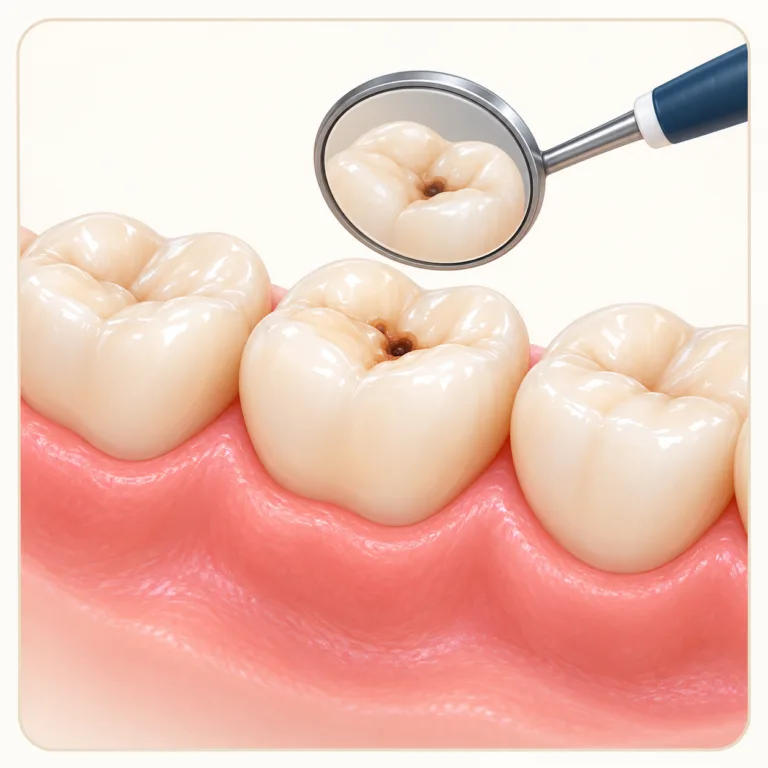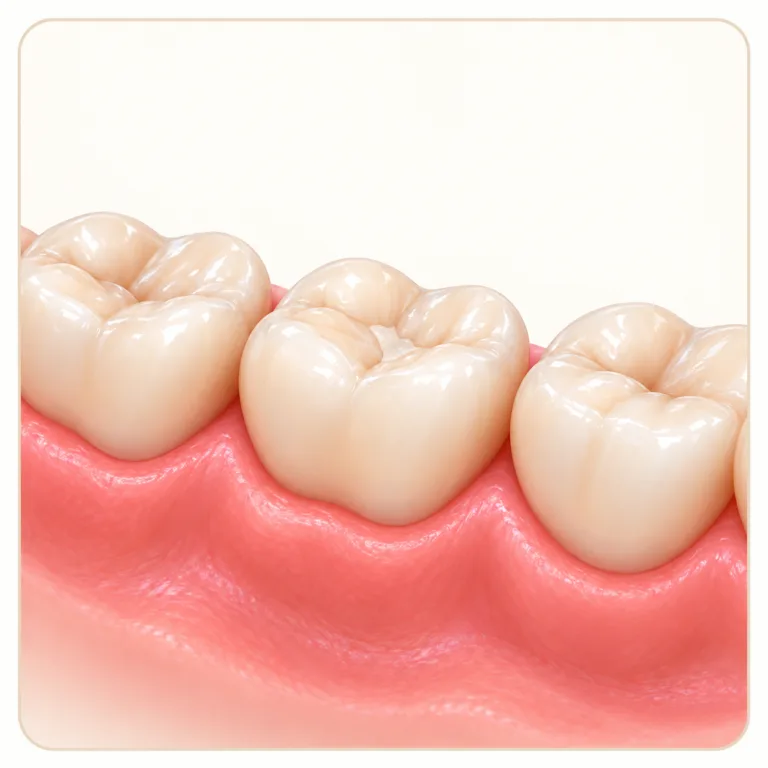
A filling repairs a tooth that has been damaged by a cavity, fracture, or wear. One can also be done for cosmetic reasons. A filling involves removing damaged tooth structure and replacing it in a way that restores the proper function and appearance. Tooth-colored fillings blend with your natural teeth and can usually be completed in one visit.
We examine the tooth and review any needed X-rays to determine if a filling is the proper treatment.
2
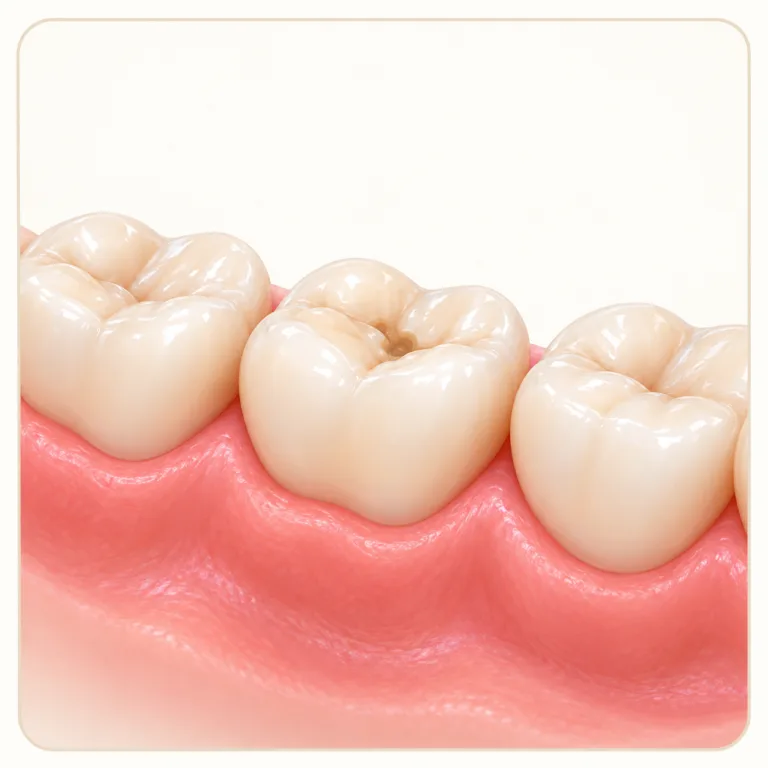
Prepare the Tooth
We numb the area as needed and carefully remove decay and any damaged tooth structure.
3
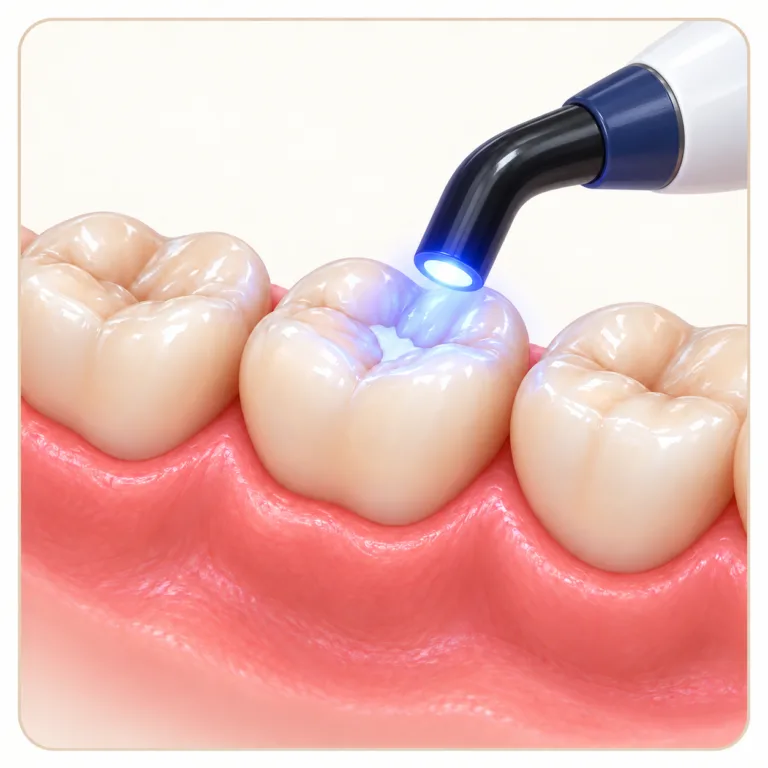
Filling Placement
Filling material is placed into the preparation and cured/hardened.
4
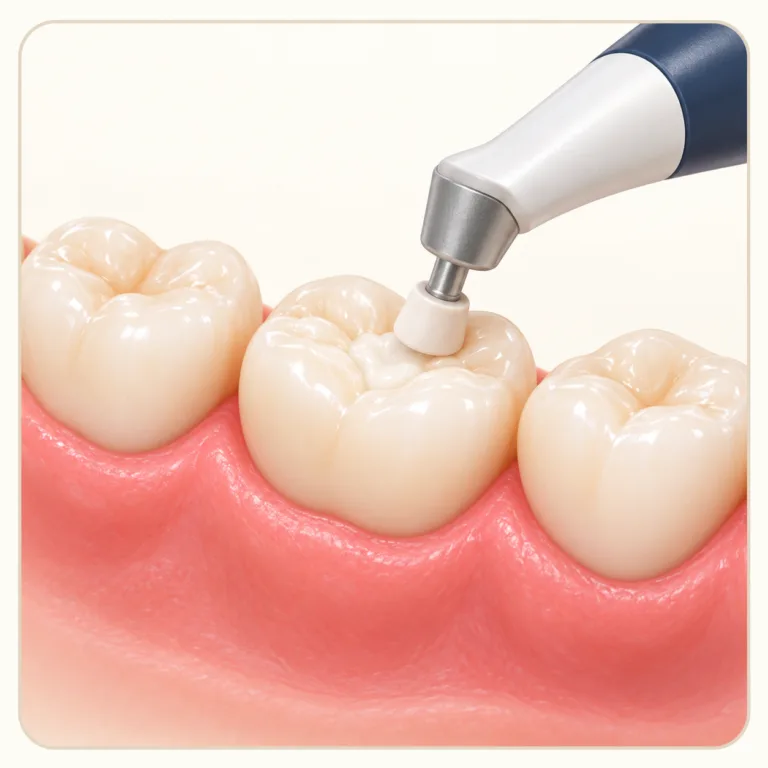
Shape and Polish
The filling is shaped and polished in order to match the contours of the adjacent teeth.
5
Verify the Bite
We check that the bite lines up with your other teeth and that floss passes smoothly through the contacts.
When Fillings Are Done
To repair a tooth that has a cavity
To replace a worn, broken, or lost filling
To repair chips or other damaged areas
To restore areas affected by grinding or erosion
For esthetic reasons and smile restoration
After Treatment
Post-operative care
After Your Filling
Your mouth may be numb for a while. Wait until the numbness wears off before chewing, and avoid hot foods and drinks.
Some sensitivity to cold or pressure after getting a filling is normal and should gradually improve.
If your bite feels uneven, or discomfort persists or gets worse, contact your dental team.
Long term care
Caring for Your Filling
Brush and floss normally unless directed otherwise.
Keep up with regular checkups and cleanings.
Avoid chewing ice. If you clench or grind your teeth, ask us about a nightguard.
A heartfelt thanks to all of the staff at Associated Dentists for giving me back my beautiful smile...Absolutely, unequivocally, and positively life changing! Alex T.
payment information
Cost & Insurance
Before treatment begins, we'll provide a written estimate showing your cost, your expected insurance benefits, and the amount you'll owe following treatment. There are never any surprises.
We accept hundreds of plans, including Delta Dental, Aetna, Principal and Aflac. Please confirm your specific plan with our office; coverage varies by employer even within the same carrier.
We numb the area as needed and check that you’re comfortable before starting. We will check in periodically with you to see how you are doing. It’s normal to feel some pressure or vibration during treatment, but you shouldn’t feel pain. If anything feels uncomfortable, let us know so we can adjust.
Why do I need a filling if my tooth doesn’t hurt?
Cavities often develop without causing pain. An exam or X-ray may reveal decay before you notice anything wrong. As the decay grows in size it may start to cause pain or sensitivity. Treating a cavity while it’s smaller can help preserve more of your natural tooth and prevent a more involved repair later.
When would I need a crown instead of a filling?
A filling depends on the remaining tooth for support. If too much tooth structure is missing, or the tooth has a significant crack, a crown may offer better protection. We’ll explain which option makes sense for your tooth.
Should I replace my old silver fillings?
An older filling doesn’t automatically need to be replaced. If it’s intact and the surrounding tooth is healthy, we may recommend monitoring it. If it’s broken, worn, or has decay around it—or you’re interested in changing its appearance—we can discuss your options.
How long does a filling last?
Fillings can last many years, but they don’t last forever. Their lifespan depends on the size and location of the filling, your bite, and how well the tooth is cared for. We check your fillings at regular exams and recommend repair or replacement when needed.
How much does a filling cost, and will insurance help?
The cost depends on the size of the filling and the tooth being treated. Many dental plans cover part of the cost, although coverage varies. Our team can review your benefits and provide an estimate before your appointment.