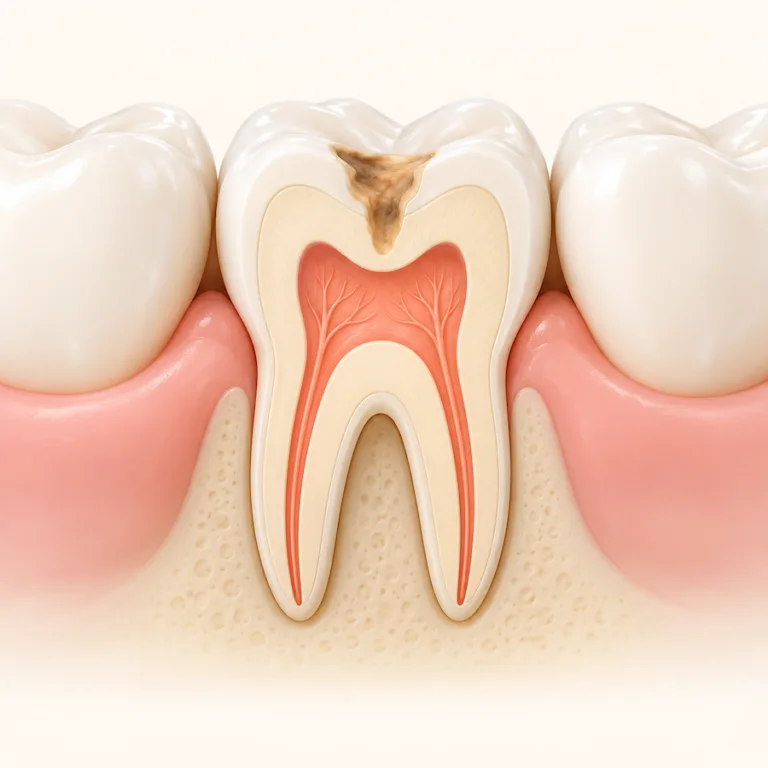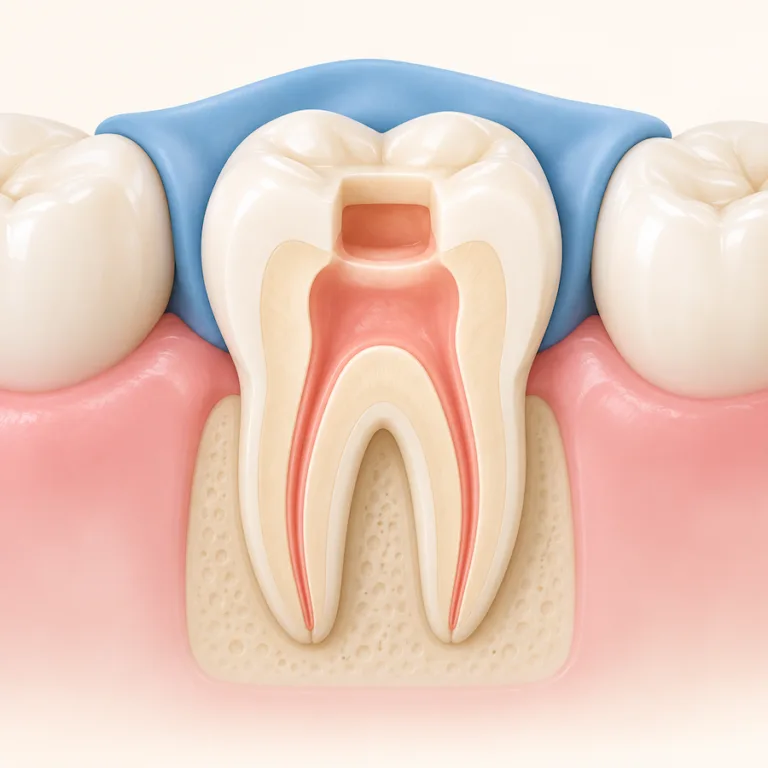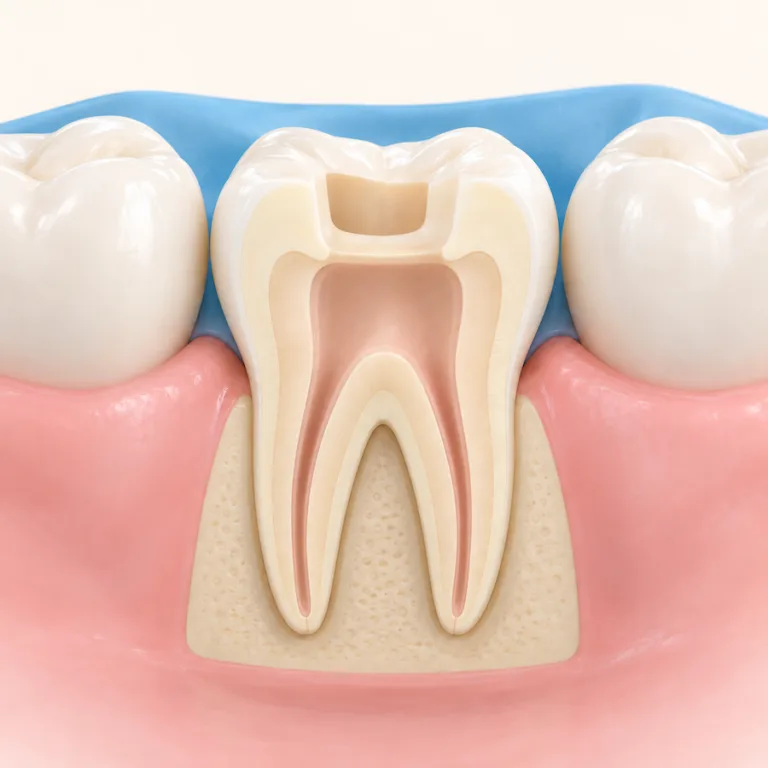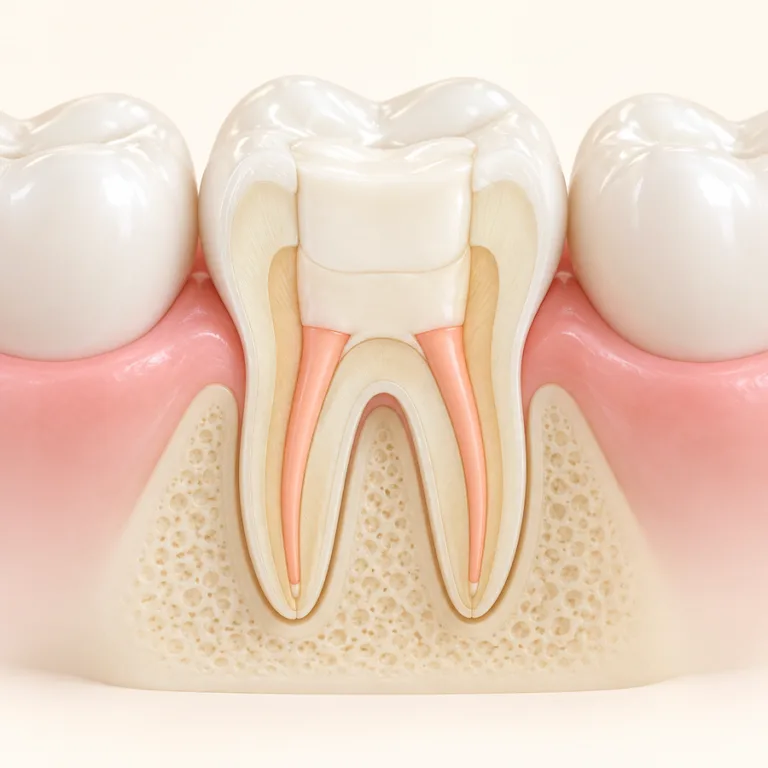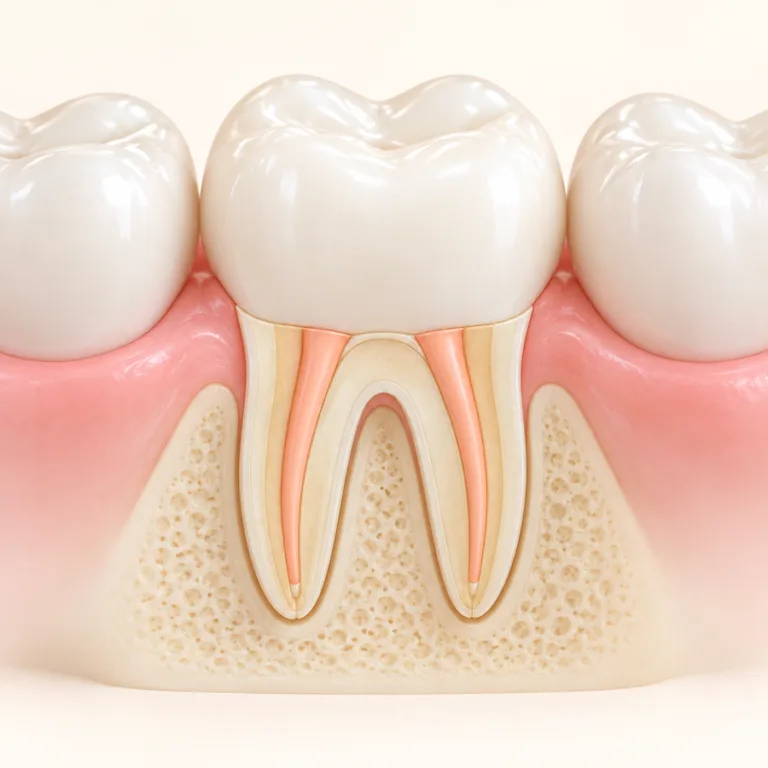
Root canal treatment can often save a tooth when the tissue inside it becomes inflamed or infected. During treatment, the damaged tissue is removed and the tooth is carefully cleaned and sealed. This can relieve pain, treat infection, and prevent a tooth from needing to be removed. Generally putting a crown on the tooth is the final step of treatment following a root canal.
If your tooth is causing pain or is infected a root canal can often be done to treat and save the tooth. In some instances a root canal could be needed in order to restore a very damaged tooth. Either way, here's how it works.
1
Evaluate the Tooth
We'll examine the tooth causing the problem and determine if root canal treatment will help.
2
Access Preparation
Once the tooth is comfortably numb, a small opening is made through the top of the tooth in order to gain access to the nerve.
3
Clean and Shape
The tissue is removed from inside the tooth and the area is thoroughly cleaned and disinfected.
4
Seal and Fill
The cleaned area is sealed and the access opening is closed with filling material.
5
Crown Placement
In most cases a crown is done in order to provide strength, shape, and function.
When a Root Canal Is Done
When decay is extremely deep and reaches the nerve
When a tooth is badly cracked or damaged
When a tooth is infected, causing pain, or abscessed
Video
What a Root Canal Does
A short explanation: why someone might need a root canal, and what the treatment process involves.
After Treatment
After your root canal appointment
What to Expect After Treatment
Your mouth stays numb for a few hours. Go easy on hot drinks and chewing until it wears off.
Some soreness and tenderness to the area and when chewing is normal and should improve after a few days.
Avoid chewing on the tooth if possible until the final crown or restoration has been placed.
Long term care
Caring for Your Tooth
Brush and floss normally.
Keep up with regular cleanings.
Avoid chewing ice. If you grind your teeth at night, ask us about a nightguard.
payment information
Cost & Insurance
Before treatment begins, we'll provide a written estimate showing your cost, your expected insurance benefits, and the amount you'll owe following treatment. We’ll review your estimate with you before we get started.
We accept hundreds of plans, including Delta Dental, Aetna, Principal and Aflac. Please confirm your specific plan with our office; coverage varies by employer even within the same carrier.
The tooth is thoroughly numbed before treatment, and most patients find the experience similar to having a filling. Root canal treatment addresses the cause of the pain. Some tenderness afterward is common and usually improves over the next few days. If a patient has a toothache the root canal treatment generally alleviates the pain substantially.
How many appointments will I need?
Root canal treatment is often completed in one appointment, but sometimes requires additional visits depending on the tooth and its condition. Additional visits may be needed for a crown or other final restoration.
Will I need a crown after I have a root canal?
It depends on the situation, but a tooth will usually require a crown following root canal treatment in order to provide the proper strength and protection. Your dentist will recommend the best way to protect your tooth.
Would it be better to just have the tooth removed?
When a tooth can be predictably restored, saving it is often a very good option. Removing it leaves a gap that may need an implant, bridge, or partial denture. We’ll evaluate the tooth and explain the benefits and limitations of your options so you can make an informed decision.
What will a root canal cost, and will insurance help?
The cost will depend on your specific situation and whether or not you have dental insurance. If you have questions about your coverage, call our office and our financial department can check on your specific insurance plan, or give you a quote if you are a cash patient.