Restorative Dentistry  ·  Madison & Verona

Dental Bridges

What is a bridge?

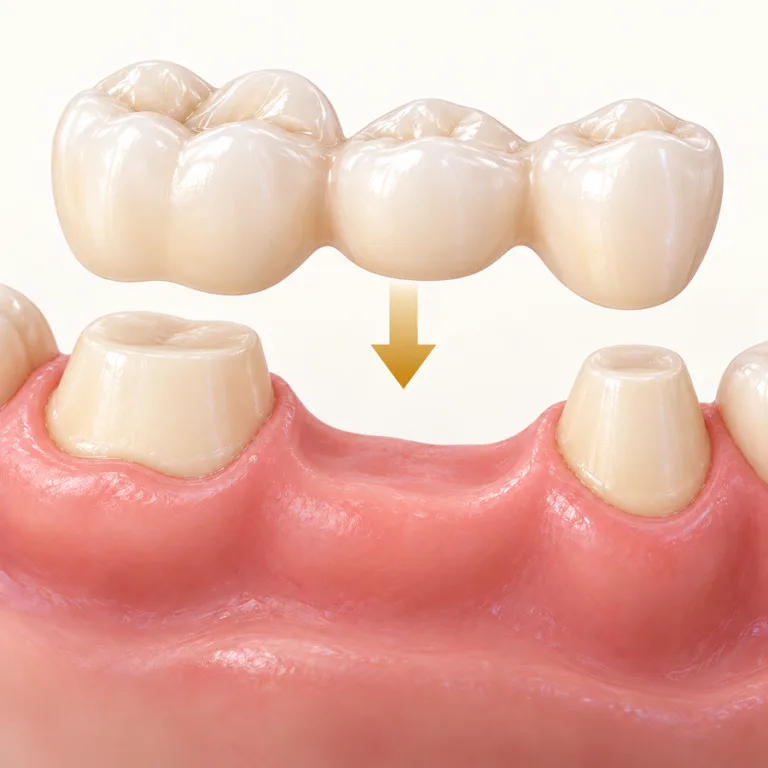
A dental bridge replaces one or more missing teeth using a custom-made prosthesis. It attaches to and over the teeth on either side of the gap. A traditional bridge uses crowns on these neighboring teeth to support the replacement tooth, called a pontic. It stays securely in place, restoring your smile and helping you chew comfortably.

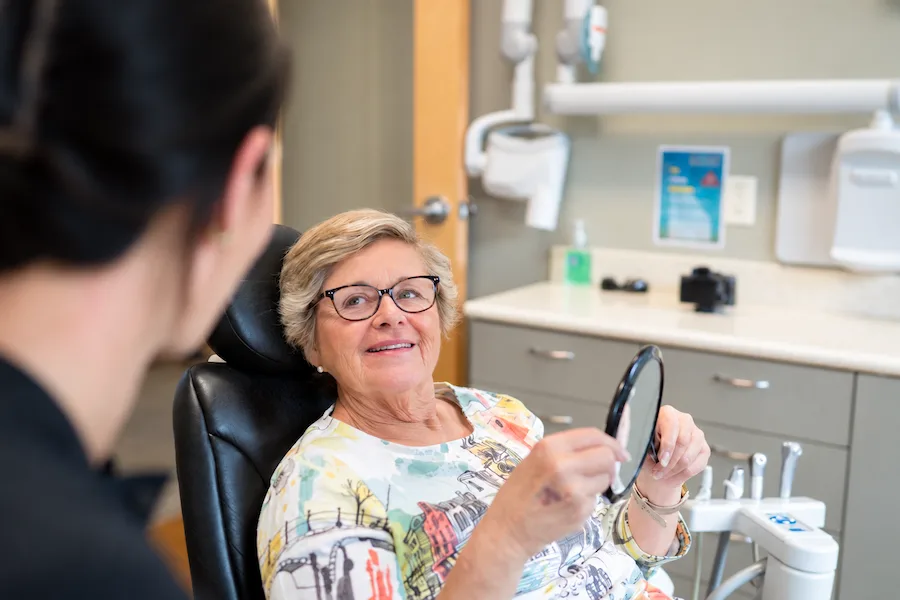
Smiling patient holding a hand mirror while talking with a team member in the treatment room

Getting a Dental Bridge

If you are missing a tooth, getting a bridge may be an excellent treatment option. Here's how it works.
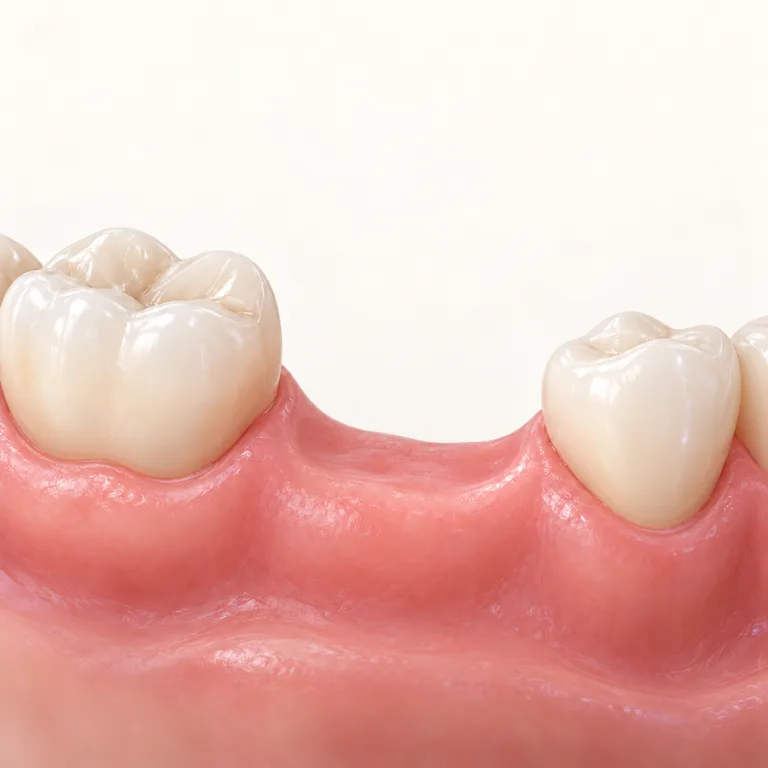
Bridge misstooth
1

Evaluate the Site

We'll examine the teeth and determine if a bridge will work for you.
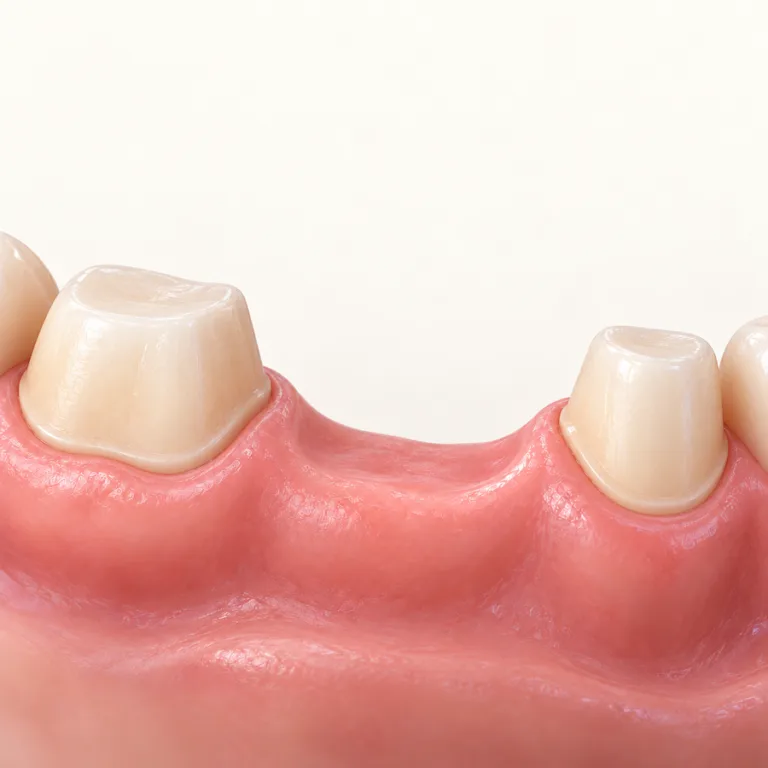
Bridge prepped1
2

Tooth Preparation

The adjacent teeth are numbed and carefully shaped in order to accommodate the bridge.
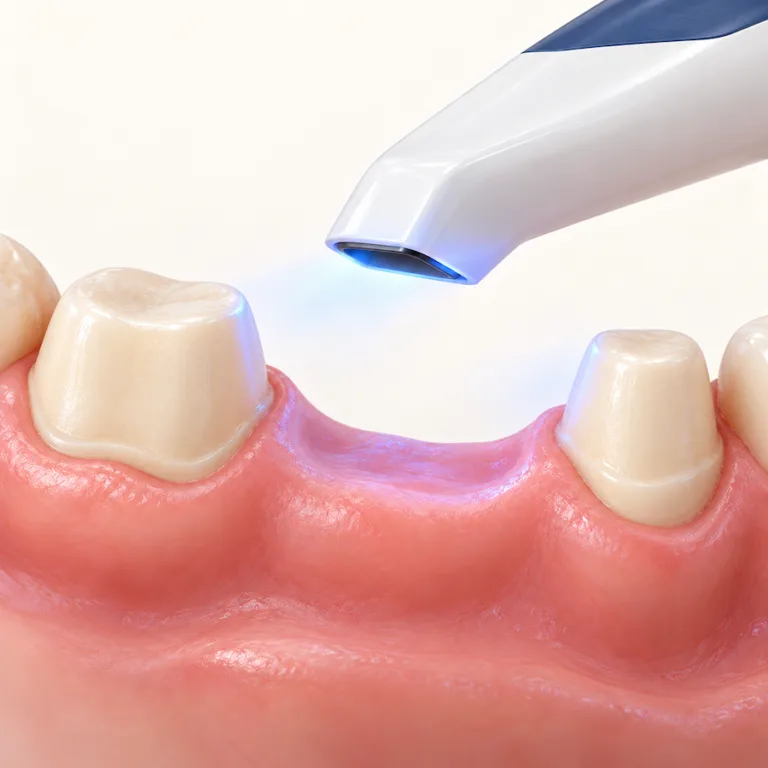
bridge scan
3

Impression or Digital Scan

We capture the precise shape of the area being treated.
Bridge prepped 1
4

Temporary Bridge

For about 2 weeks a temporary bridge protects the teeth while your final restoration is being made.
Bridge seated
5

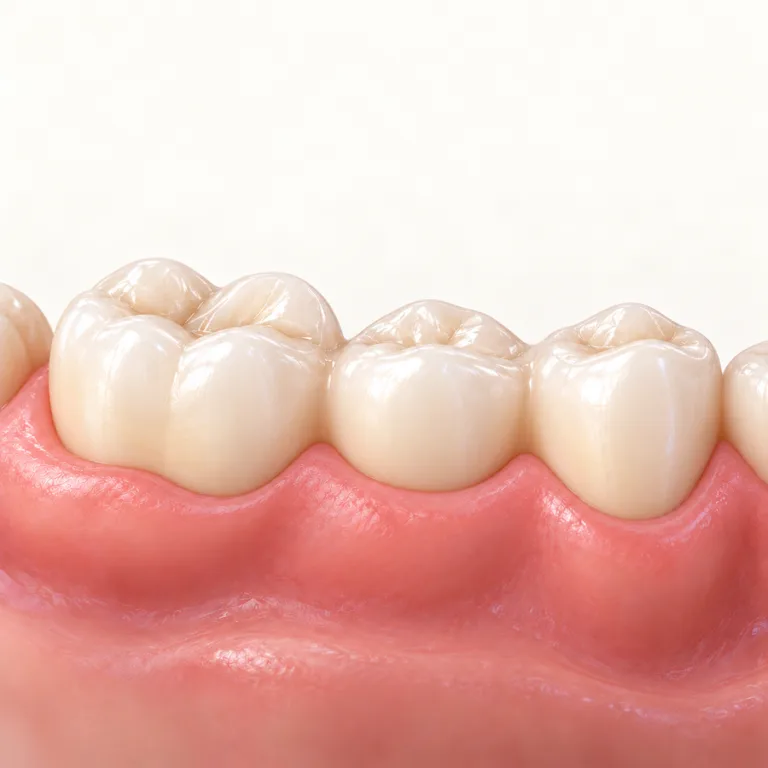
Placement of the Permanent Bridge

We check the fit, shape and bite, then securely cement the bridge into place.

When a Bridge Is Done

Dr. Russell Grimm going over a tablet with a patient in the treatment room
Video

What a Bridge Does

A short explanation: why someone might get a bridge and what the treatment process involves.

After Treatment

After your bridge appointment

What to Expect After Treatment

Your mouth stays numb for a few hours. Go easy on hot drinks and chewing until it wears off.
Mild sensitivity to cold or pressure is normal for a short while as you get used to your new bridge.
Avoid sticky and hard foods on the side you had worked on while you have a temporary bridge in place.
Long term care

Caring for Your Bridge

Brush and floss normally. Be sure to floss underneath the bridge once per day using a floss threader or a small proxy brush.
Keep up with regular cleanings.
Avoid chewing ice. If you grind your teeth at night, ask us about a nightguard.

Results

Results

A Case From Our Office

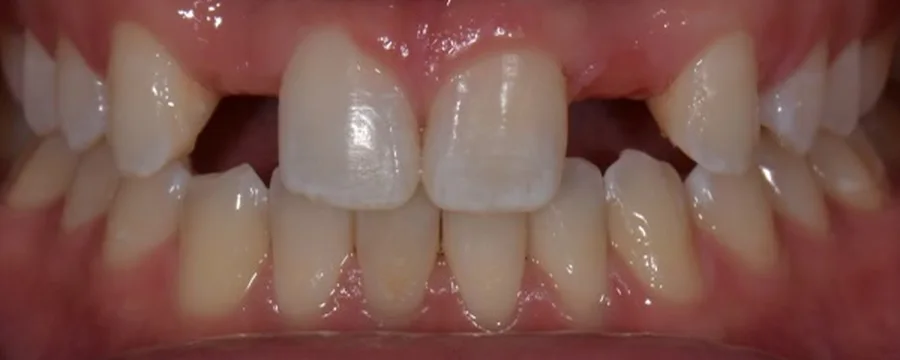
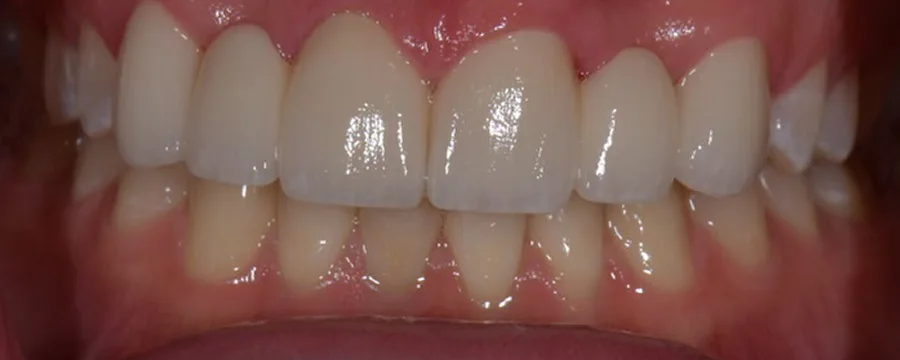
This patient was missing two front teeth and elected to restore the area with dental bridges.
Smile before treatment, with gaps where upper front teeth are missing The same smile after treatment at Associated Dentists, with a full, even row of upper teeth
Smiling dentist sitting beside a patient who checks her smile in a hand mirror
"I needed a bridge and [they] did an excellent job, explained everything well and the bridge fits perfectly." -Marcia T.
payment information

Cost & Insurance

Before treatment begins, we'll provide a written estimate showing your cost, your expected insurance benefits, and the amount you'll owe following treatment. We’ll review your estimate with you before we get started.
We accept hundreds of plans, including Delta Dental, Aetna, Principal and Aflac. Please confirm your specific plan with our office; coverage varies by employer even within the same carrier.

Other Treatments

Let's take a look

Do you have a dental problem?

Give us a call or schedule a consultation online. We'll take a look, explain what we find, and help you decide on what to do next.
Three Associated Dentists dentists standing together in the Madison office lobby
FAQs

Frequently asked questions about bridges

Does getting a bridge hurt?

We numb the teeth before preparing them to keep you comfortable. Some temporary sensitivity or gum tenderness afterward is normal. 

How long does it take to get a dental bridge?

A bridge usually takes two main appointments, spaced about 2 weeks apart. At the first visit, we prepare the supporting teeth, take an impression or digital scan, and place a temporary bridge. At the second, we check and secure your custom-made bridge.

How long does a dental bridge last?

A bridge can last many years with good home care. Its longevity depends on the health of the supporting teeth, the health of the gum tissue, and proper daily cleaning. 

How do I clean underneath my bridge?

Brush twice daily and clean underneath the bridge every day. Use a floss threader in order to get floss under the bridge. A small interdental brush (shaped like a Christmas tree) can also help reach these areas. 

Will my bridge look natural?

Bridges can be highly esthetic, especially with modern techniques and materials.

What will a bridge cost, and will insurance help?

The cost will depend on your specific situation and whether or not you have dental insurance. If you need a bridge call our office and our financial department can check on your specific insurance plan, or give you a quote if you are a cash patient.  

What if my temporary bridge breaks or comes off?

It happens occasionally and usually isn’t an emergency. Keep the temporary if you can, avoid chewing on that side, and don’t use household glue on it. Getting the temporary back on within a day or two is ideal in order to prevent anything from shifting while the permanent bridge is being made.