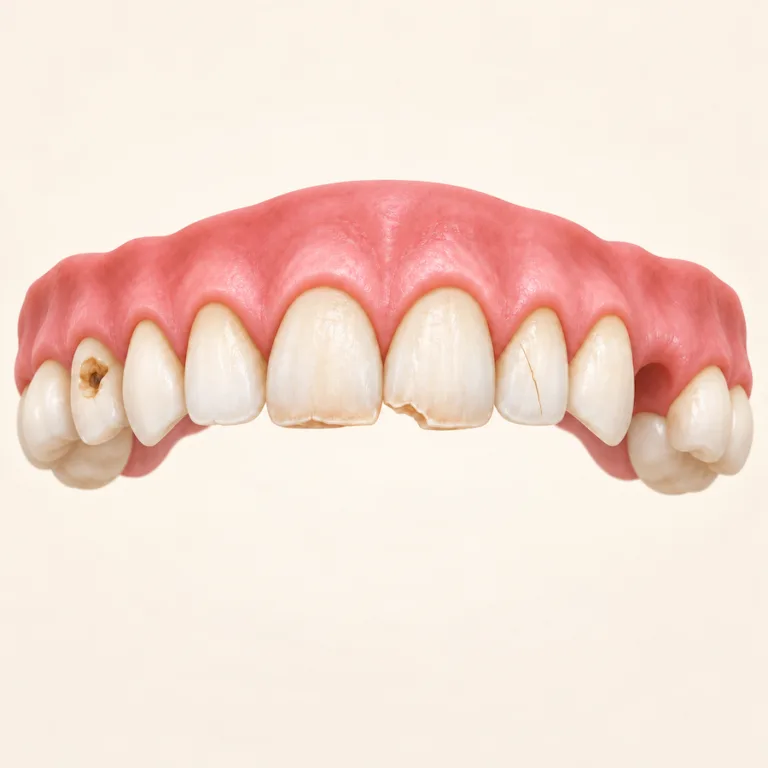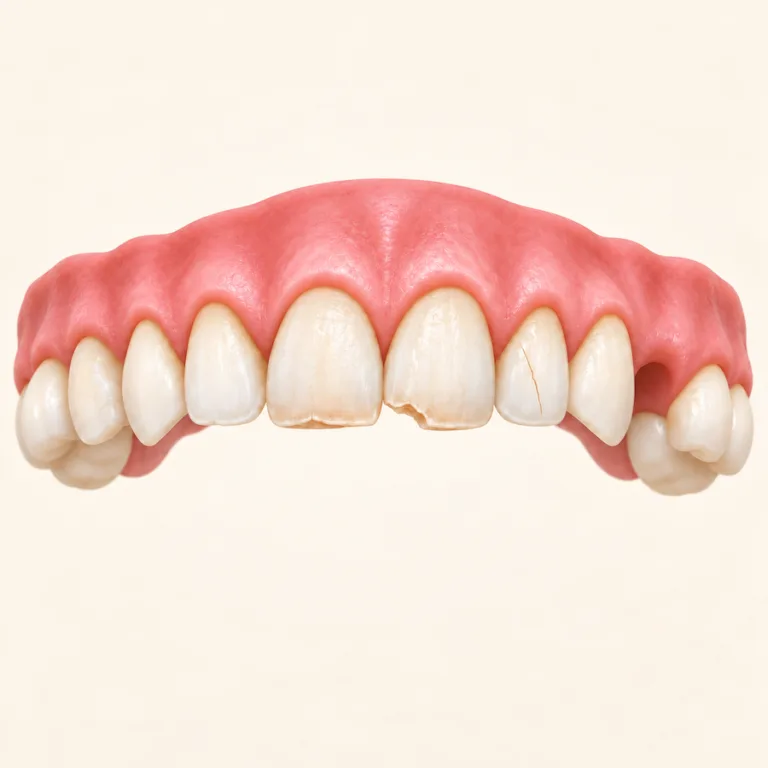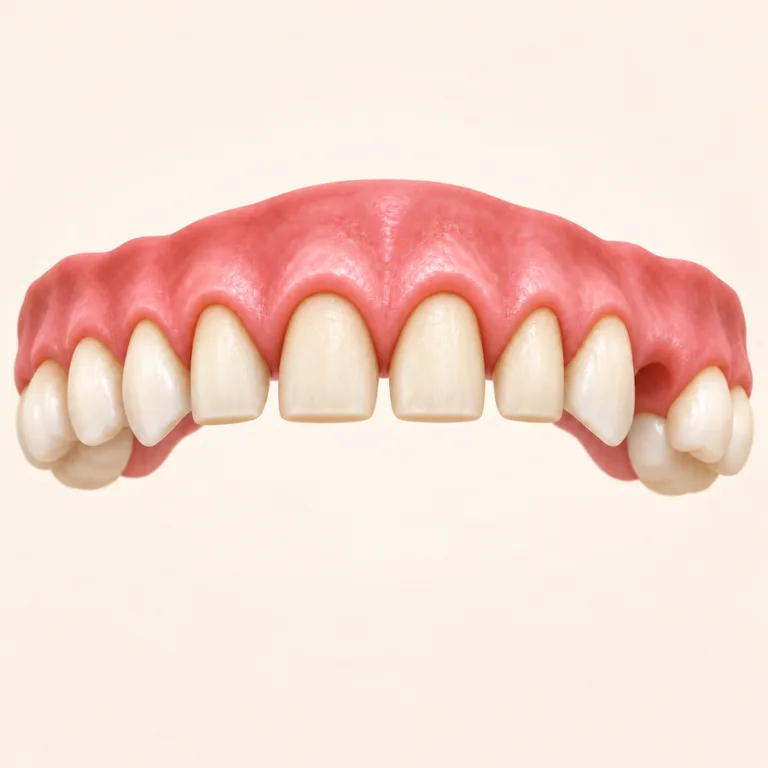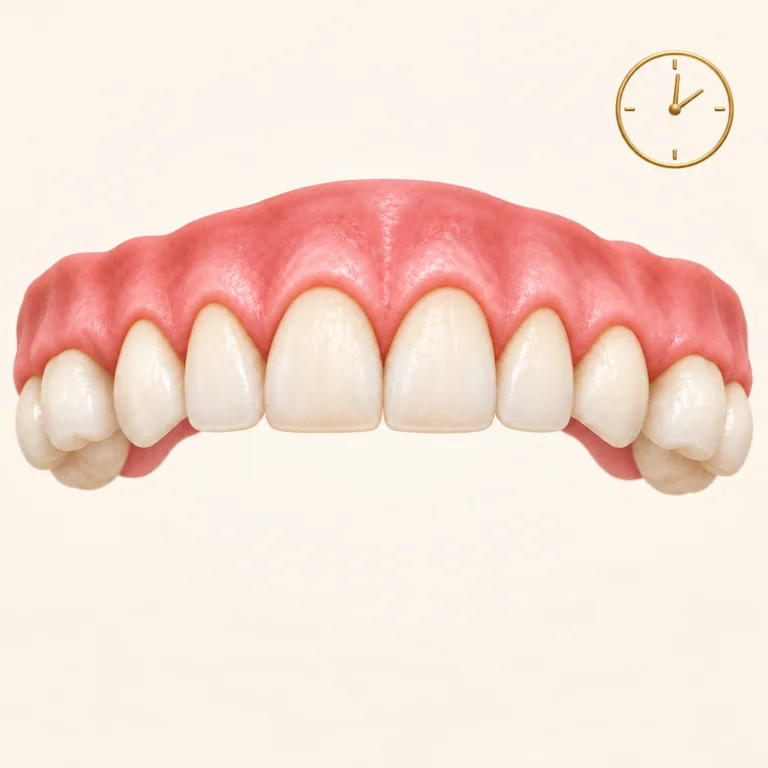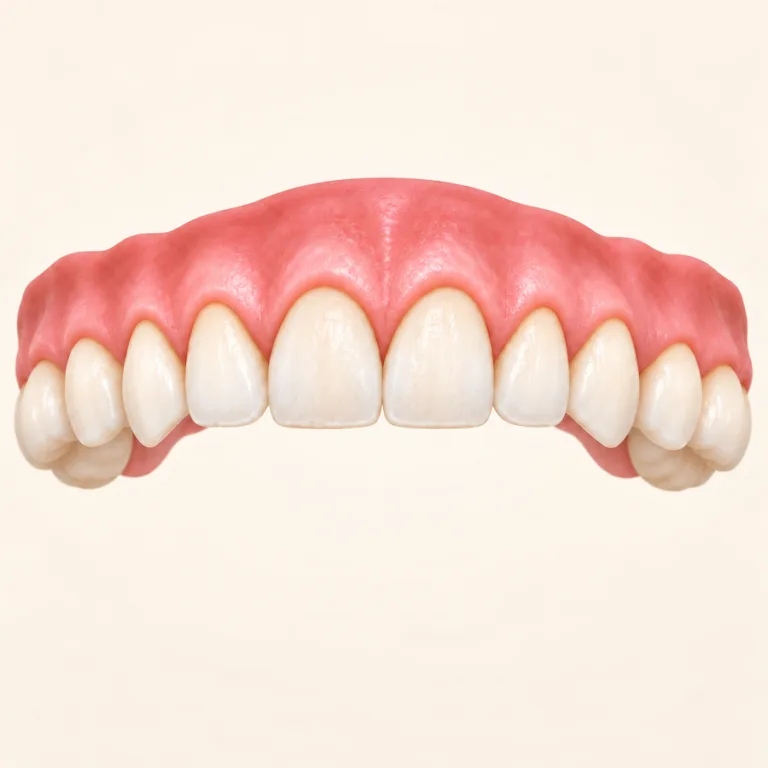
When several teeth are worn, damaged, or missing, we can look at the whole picture and come up with a comprehensive plan. Full mouth restoration brings individual treatments together into a coordinated plan to restore your oral health, proper function, and your smile.
Your treatment plan may include some or all of these steps, depending on your needs.
1
Evaluate and Plan
We examine your teeth, gums, and bite, take images and scans as needed, and discuss your goals and treatment options.
2
Build the Foundation
We address decay, infection, and gum health first. Once we get things stable, we can start to rebuild your smile and function.
3
Tooth Preparation
We'll complete necessary fillings and do preparations for crowns or veneers.
4
Test and Refine
When temporary restorations are used, they help us evaluate comfort, appearance, and bite before completing the final work.
5
Permanent Restorations
We place the final restorations, refine your bite, and create a plan to help you care for your restored smile.
When a Full Mouth Restoration Is Done
To restore several worn, cracked or broken teeth
To replace multiple missing teeth
To repair multiple teeth with decay or failing restorations
To rebuild multiple teeth worn down by grinding
Cosmetic reasons & smile enhancement
After Treatment
After your appointments
What to Expect
Your mouth stays numb for a few hours. Go easy on hot drinks and chewing until it wears off.
Some sensitivity to cold or pressure is normal for a while as you get used to your restorations.
Avoid sticky and hard foods on the side you had worked on, especially while you have temporaries in place.
Long term
Caring for Your Restored Teeth
Brush twice a day and floss daily, including around crowns, bridges, and implants.
Keep up with regular cleanings and checkups so we can monitor your restorations.
Avoid chewing ice or hard objects. If you grind your teeth at night, ask us about a nightguard.
Results
Results
A Case From Our Office
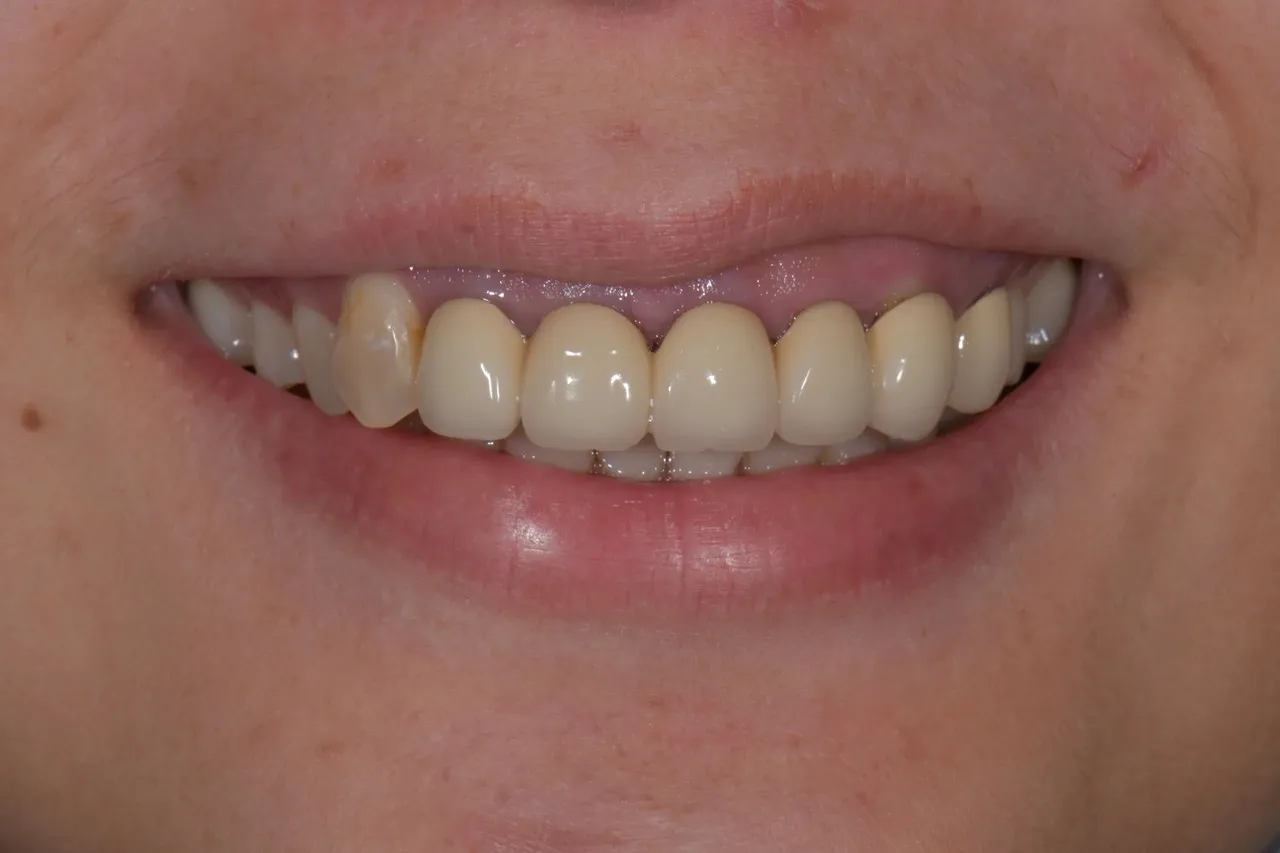
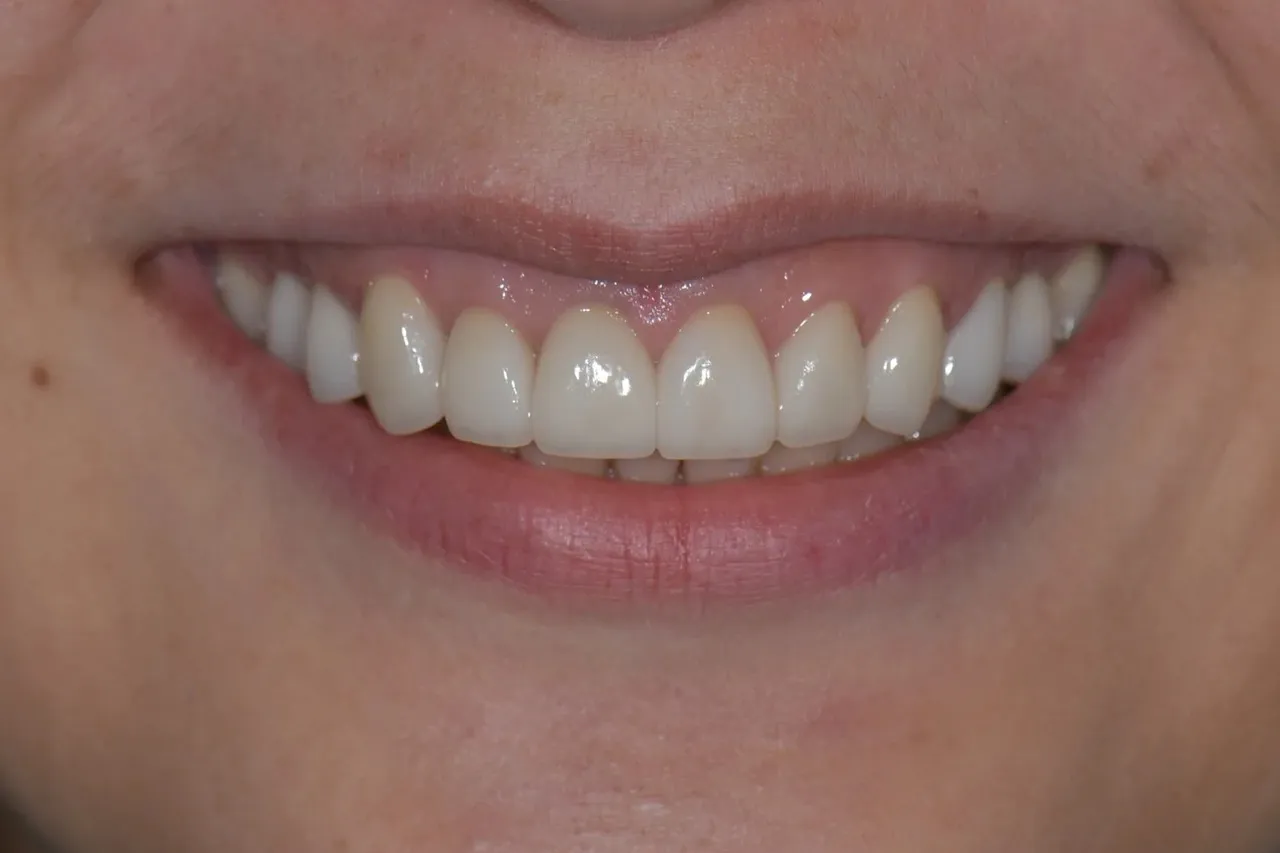
This patient had crowns that were failing after years of service. We restored the teeth with modern dental crowns, and improved the esthetics of the teeth in the process.
Case treated at Associated Dentists and published with patient's approval.
"It was so painless, the crowns were a perfect fit, the whole process was very easy and clean... I'll tell all my friends about it."
payment information
Cost & Insurance
Before treatment begins, we'll provide a written estimate showing your cost, your expected insurance benefits, and the amount you'll owe following treatment. There are never any surprises.
We accept hundreds of plans, including Delta Dental, Aetna, Principal and Aflac. Please confirm your specific plan with our office; coverage varies by employer even within the same carrier.
Frequently asked questions about full mouth restoration
What is full mouth restoration?
Full mouth restoration, also called full mouth reconstruction or rehabilitation, is a coordinated approach to treating extensive dental problems. We’ll combine several procedures to restore damaged teeth, replace missing teeth, and improve how your teeth work together.
Does it mean I will need a crown on every tooth?
No. We evaluate each tooth as part of the overall plan. Healthy teeth may need no treatment, while others may benefit from fillings, crowns, or replacement. The goal is to preserve healthy tooth structure while addressing the problems affecting your mouth.
Can treatment be done in stages?
Often, yes. We typically prioritize urgent concerns and establish a healthy foundation before completing the remaining restorative work. Some procedures need to be coordinated closely, but we’ll discuss where staging makes sense for your health, schedule, and budget.
Will I have teeth during treatment?
We plan for appearance and function throughout treatment. Temporary crowns, bridges, or removable appliances may be used between stages. If any part of your plan involves a period without a tooth or limits on chewing, we’ll explain that beforehand.
How much does full mouth restoration cost?
There is no single package price because the treatments can differ substantially. Restoring existing teeth involves different costs than replacing multiple teeth with implants or dentures. Your estimate will explain the recommended procedures, expected insurance benefits, and payment options.