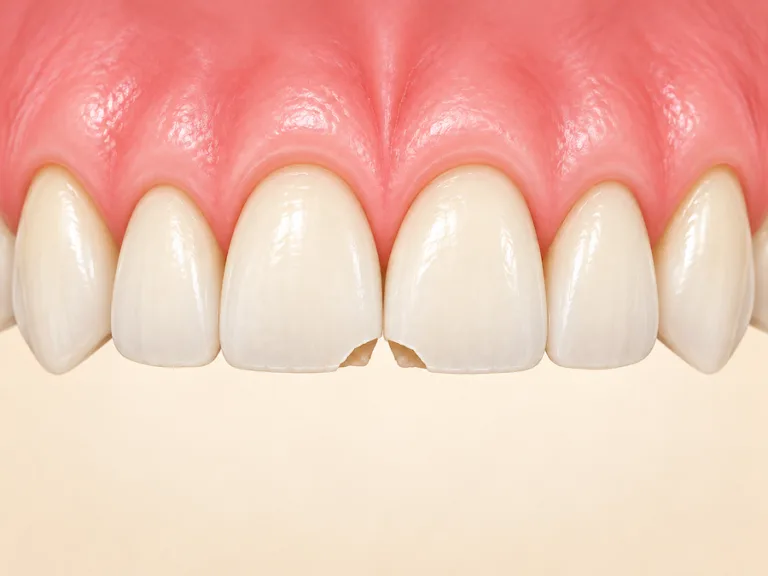
Cosmetic bonding uses tooth-colored material to repair small chips, close gaps, and improve the shape of your teeth. The material is shaped directly on the tooth and polished to blend with your smile. Treatment can often be completed in one visit.
We examine your teeth, discuss what you’d like to change, and develop a plan.
2
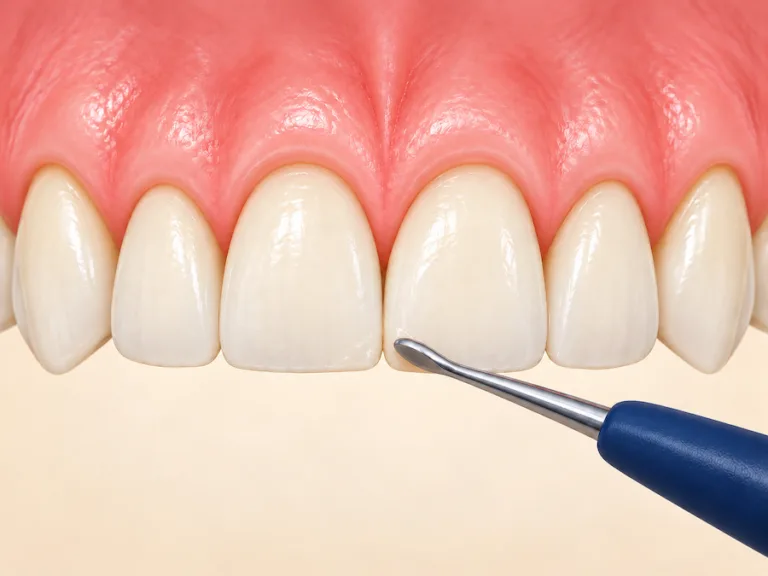
Prepare & Shape
We prepare the teeth and apply tooth-colored resin, carefully shaping and sculpting the material.
3
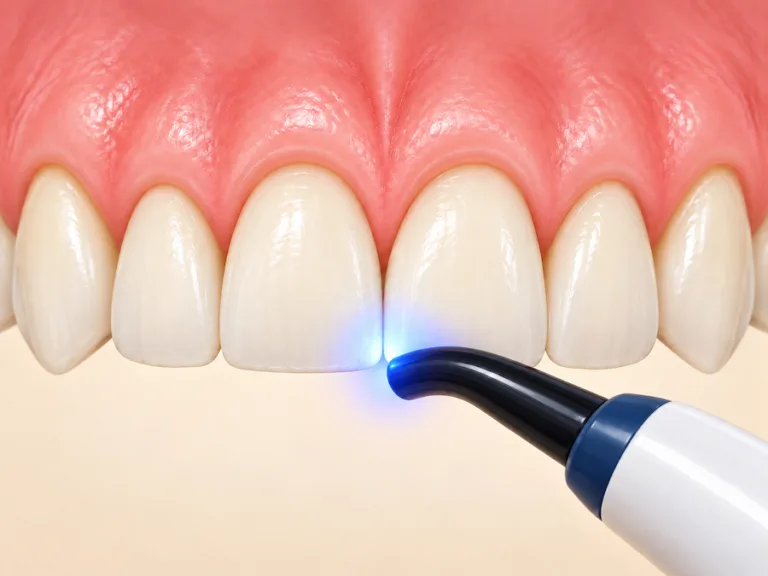
Harden the Material
A special curing light hardens the bonding material in place and to full strength.
4
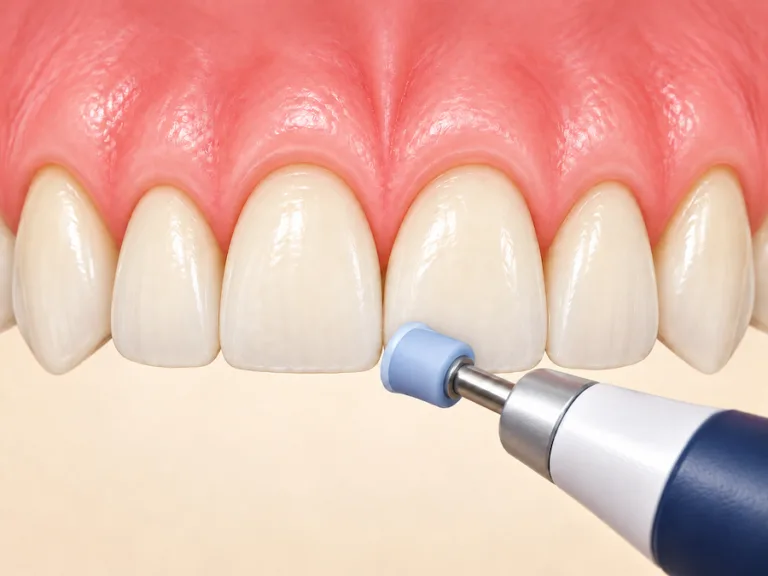
Polish
We refine the shape, check your bite, and polish the surface for a smooth, natural appearance.
When It's Done
To repair chips or uneven edges
To close small gaps between teeth
To improve tooth shape or proportions
As part of a broader cosmetic treatment plan
After Treatment
After your appointment
What to Expect After Bonding
If we used anesthetic, wait until the numbness wears off before chewing.
Mild sensitivity to cold or pressure is normal for a short while as you get used to things.
Let your dentist know if your bite feels uneven or you notice a rough or sharp edge.
Long term
Maintaining Your Results
Brush and floss daily.
Keep up with your regular dental checkups and cleanings.
If you grind your teeth at night, ask us about a nightguard. Wearing one will prolong the life of your bonding.
payment information
Cost & Insurance
Before treatment begins, we'll provide a written estimate showing your cost, your expected insurance benefits, and the amount you'll owe following treatment. There are never any surprises.
We accept hundreds of plans, including Delta Dental, Aetna, Principal and Aflac. Please confirm your specific plan with our office; coverage varies by employer even within the same carrier.
They use the same type of tooth-colored resin material. A filling typically repairs a cavity or damaged area, while cosmetic bonding focuses on changes to the appearance of a tooth. Sometimes one treatment does both.
What’s the difference between bonding and veneers?
Bonding is shaped directly on your tooth, often in one appointment. Porcelain veneers are custom-made by a dental lab and usually require more than one visit.
Does cosmetic bonding hurt?
Some small cosmetic changes often require little or no drilling and may not need anesthetic. If we’re also repairing decay or working near a sensitive area, we can numb the tooth to keep you comfortable.
Should I whiten my teeth before bonding?
If you want a brighter smile, it’s usually best to whiten first. Whitening changes the shade of natural teeth but doesn’t lighten bonding material. We’ll allow your shade to stabilize before matching the bonding to your teeth.
How much does cosmetic bonding cost?
Bonding generally costs less than porcelain veneers. The total cost depends on the number of teeth and the amount of work involved. Insurance does sometimes provide some coverage for cases that require bonding.
Will bonding stain or change color?
Bonding can pick up stain over time, especially with tobacco use or frequent coffee, tea, or red wine. Regular cleaning and occasional polishing can help maintain the appearance.