Custom Appliances  ·  Madison & Verona

Snore & Sleep Appliances

What is a sleep appliance?

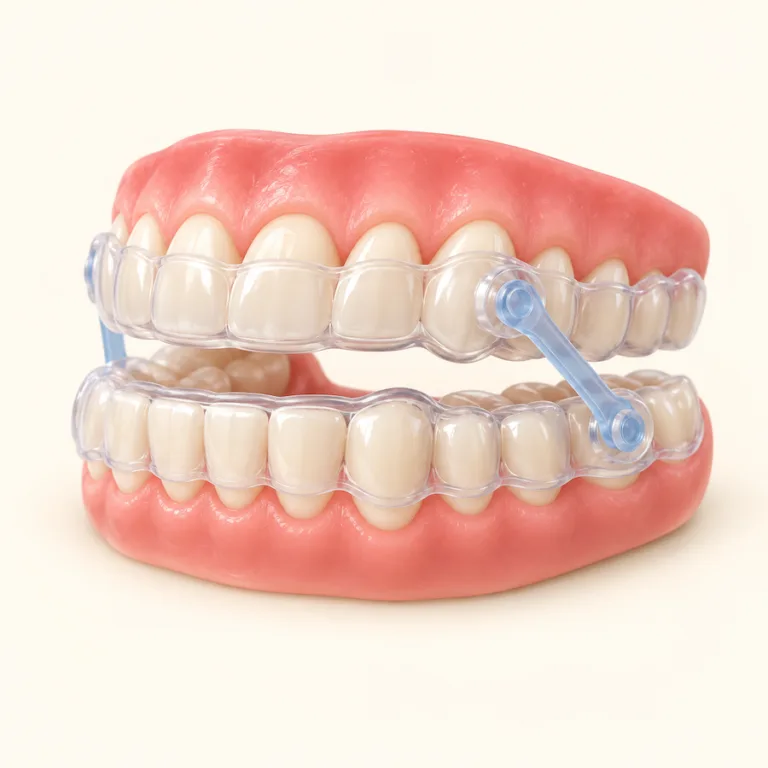
A sleep appliance (sometimes called a snore guard) is a custom mouthpiece you wear at night. It holds your lower jaw slightly forward to help keep your airway open, which can reduce or stop snoring. For people with mild to moderate sleep apnea diagnosed by a physician, it can be a comfortable alternative to CPAP. We work with your physician to make sure it’s the right treatment for you.

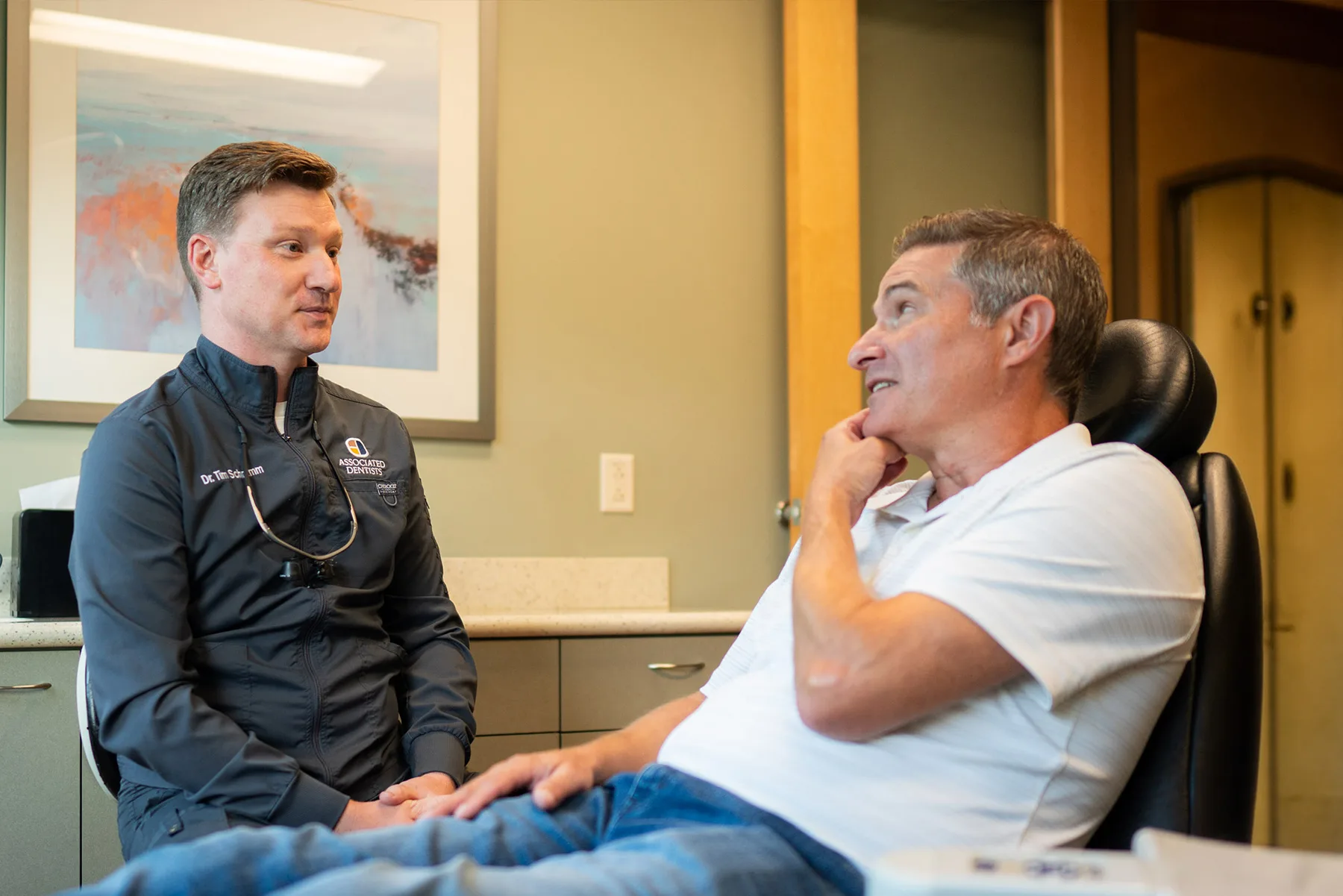
Dr. Tim Schramm listening to a patient in the treatment room

Getting a Sleep Appliance

Here’s the process, from your first visit to a quieter night.
health history clipboard
1

Sleep History

We ask about snoring, daytime tiredness and how you sleep. If sleep apnea is a possibility, we coordinate with your physician on a sleep study first.
ToothMirror
2

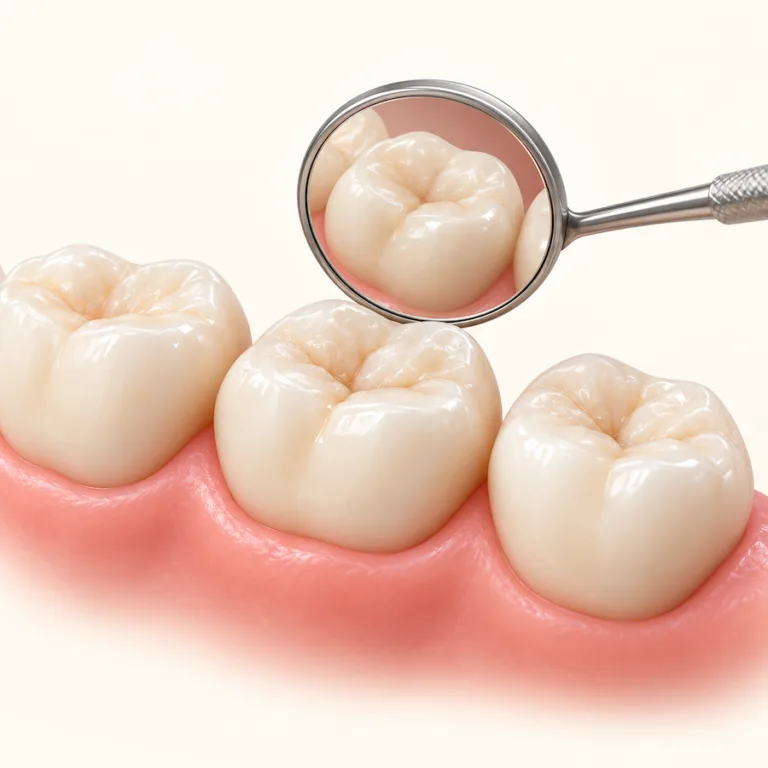
Dental Exam

We check your teeth, gums, jaw joints and bite to make sure an appliance is a good fit.
CartooniTero
3

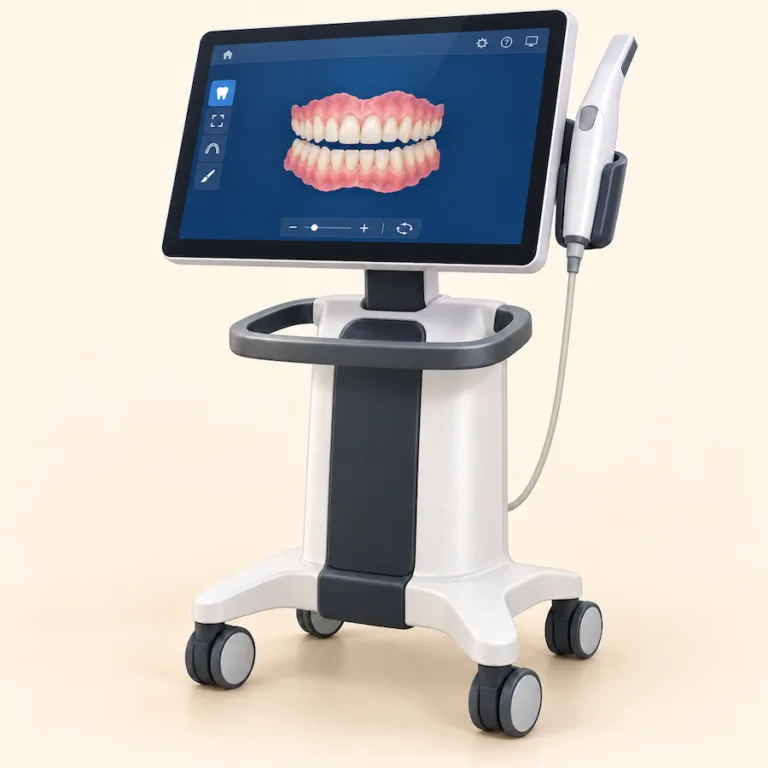
Impression or Digital Scan

We capture the shape of your teeth so your appliance is custom-made for your mouth.
Clear sleep appliance
4

Fitting

We fit your appliance and show you how to insert, remove and clean it.

Who It’s For

Caring for Your Sleep Appliance

getting used to your appliance

Your First Few Weeks

Your jaw or teeth may feel sore in the morning at first. This usually fades within a few weeks.
Extra saliva is common early on and settles down.
Your bite may feel different in the morning. If we prescribe a morning repositioner, use it as directed. Contact us if soreness or bite changes persist.
every day

Daily Care

Rinse and gently brush your appliance each morning with cool water, then let it dry and store it in its case.
Do not try to adjust it yourself beyond what we’ve shown you.
Keep it away from pets.
Bring it to your follow-up visits so we can check the fit and your bite.
payment information

Cost & Insurance

Before treatment begins, we'll provide a written estimate showing your cost, your expected insurance benefits, and the amount you'll owe following treatment. There are never any surprises.
We accept hundreds of plans, including Delta Dental, Aetna, Principal and Aflac. Please confirm your specific plan with our office; coverage varies by employer even within the same carrier.

Related Treatments

Let’s talk

Is snoring affecting your sleep?

Call or schedule a consultation online. Your dentist will review your sleep history, check whether an appliance is a good fit, and coordinate with your physician if needed.
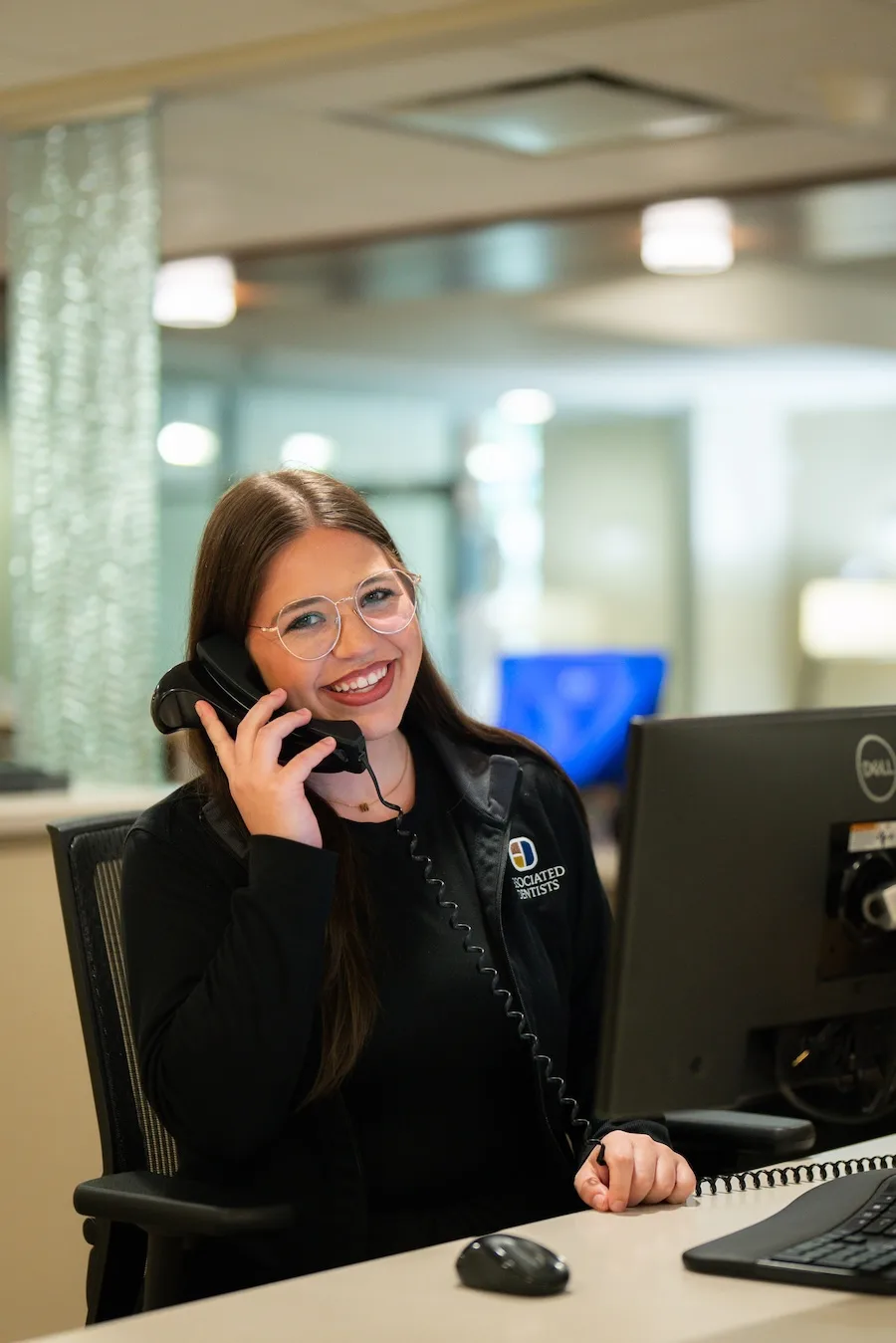
Smiling Associated Dentists front desk team member talking with a patient on the phone
FAQs

Frequently asked questions about sleep appliances

Will it stop my snoring?

For many people, it reduces snoring a lot, and for some it stops it completely. Because snoring can be a sign of sleep apnea, we may recommend checking with your physician before treatment.

Do I need a sleep study?

If sleep apnea is a possibility, yes. Sleep apnea must be diagnosed by a physician, usually with a sleep study. We’ll coordinate with your doctor so the right treatment is chosen.

How does it compare to CPAP?

CPAP is the most effective treatment for moderate to severe sleep apnea. Oral appliances are a good option for snoring, mild to moderate sleep apnea, or people who can’t tolerate CPAP. Your physician and dentist can help you decide.

Is it comfortable?

Most people adjust within a couple of weeks. Because it’s custom-made for your mouth, it fits much better than a store-bought device.

Should I talk with my physician first?

Yes, especially if you’ve been told you stop breathing during sleep, you wake up gasping, or you feel tired during the day. Those can be signs of sleep apnea, which needs to be diagnosed and managed with your physician. If you already use CPAP, don’t stop using it without talking with your physician first.