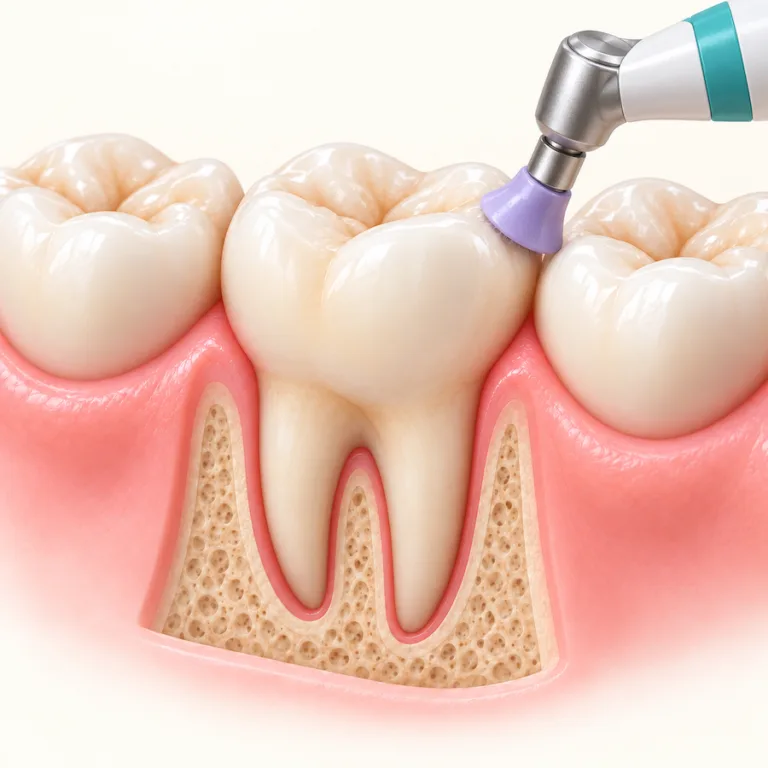
Gum disease is an infection of the gums and the bone that holds your teeth in place. It’s common, it usually doesn’t hurt early on, and left alone it’s one of the leading causes of tooth loss in adults. The good news? Caught early, it’s very manageable.
Sometimes your teeth and gums need more than a regular cleaning. Here’s what to expect.
1
Exam and Gum Check
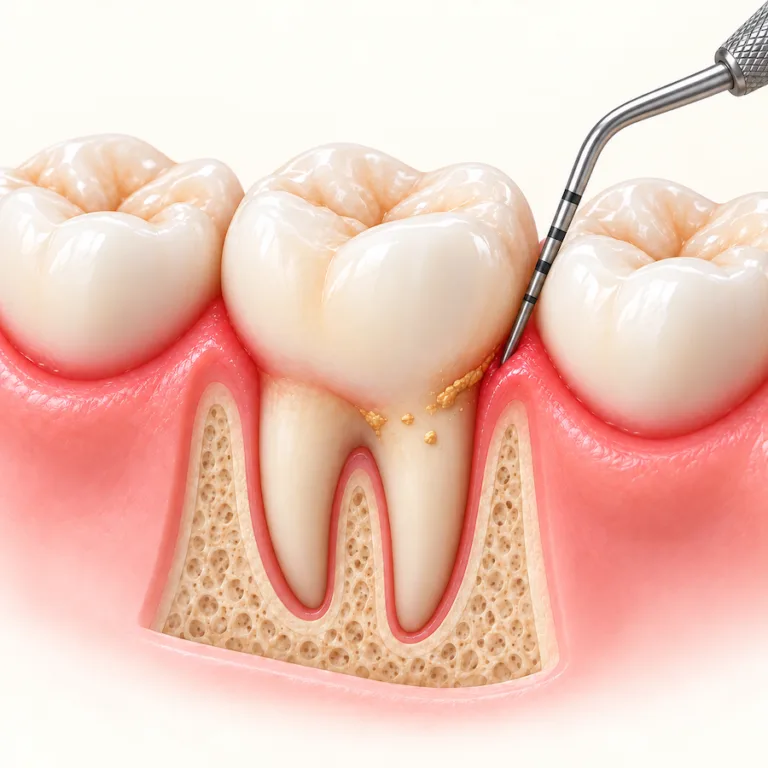
We measure the small pockets between your gums and teeth, and take X-rays to check the health of the bone underneath.
2
Deep Cleaning
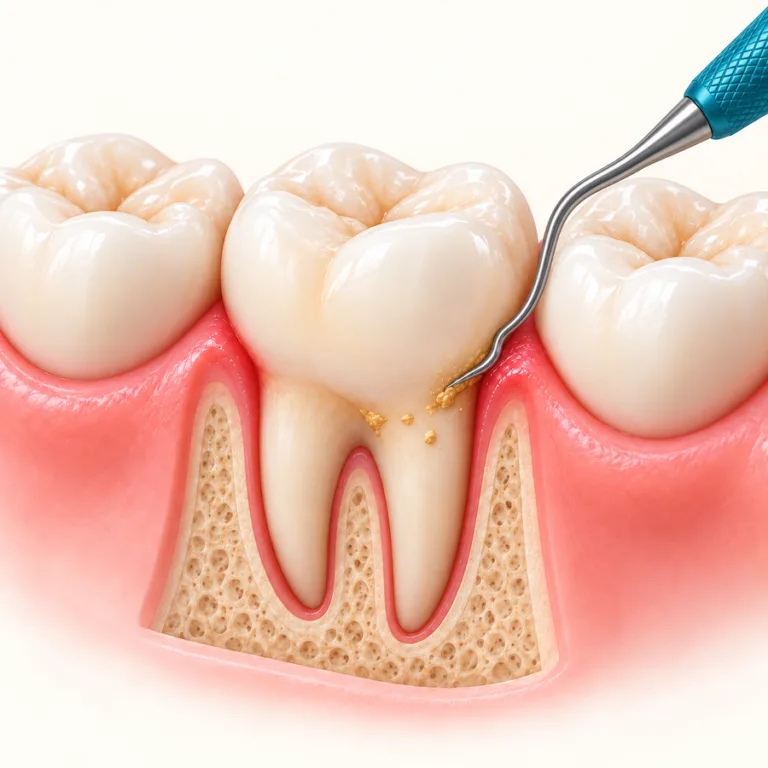
The area is numbed, then we clean below the gumline to remove tartar and bacteria from the roots. This is called scaling and root planing.
3
Healing
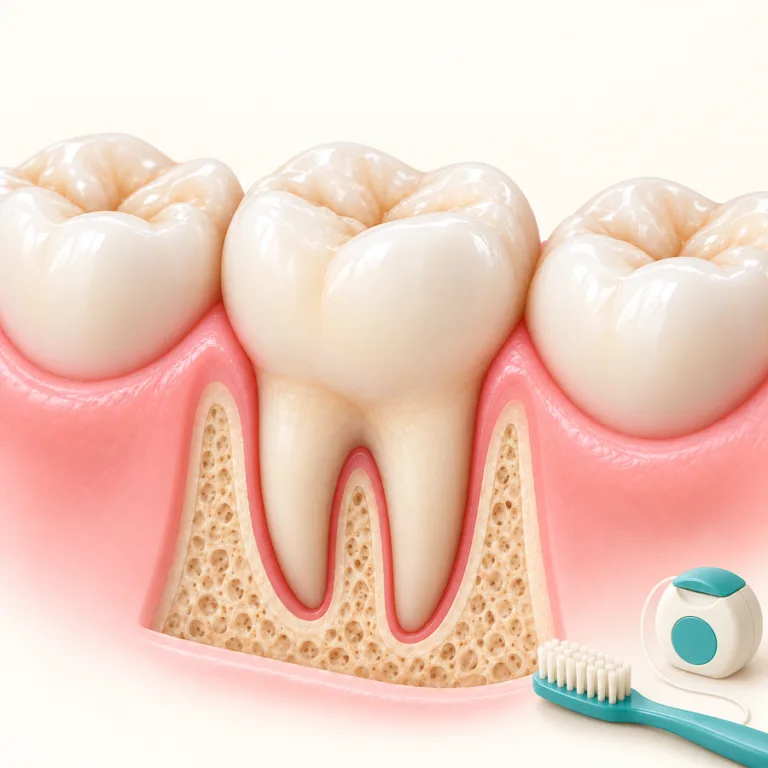
Over the next few weeks, your gums begin to heal and tighten back up around your teeth. Excellent home care is very important.
4
Re-Check
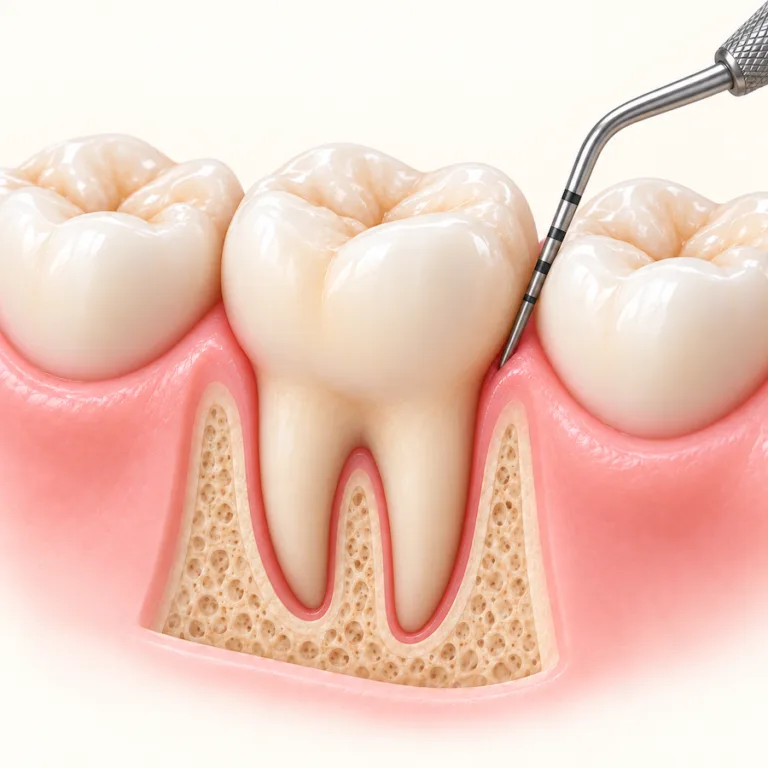
We measure the gums to check the healing and decide on a cleaning/maintenance interval that fits your needs.
5
Maintenance Visits
Periodontal maintenance cleanings, usually every three to four months, keep things under control.
Signs of Gum Disease
Gums that bleed when you brush or floss
Red, puffy or tender gums
Bad breath that won’t go away
Loose teeth
Swollen or painful gums
After Treatment
After a deep cleaning
What to Expect After Treatment
Your mouth stays numb for a few hours. Go easy on hot drinks and chewing until it wears off.
Gums and teeth may be tender or sensitive to cold for a few days. That’s normal.
A warm salt water rinse can help soothe irritated gums. To make the rinse mix a half teaspoon of salt with 1 cup of warm water.
Long term
Keeping Gum Disease Under Control
Brush twice a day and clean between your teeth daily. Interdental brushes work great for bigger spaces.
Keep up with your maintenance visits. They’re what keep gum disease from coming back.
Don't smoke or use other tobacco products.
payment information
Cost & Insurance
Before treatment begins, we'll provide a written estimate showing your cost, your expected insurance benefits, and the amount you'll owe following treatment. There are never any surprises.
We accept hundreds of plans, including Delta Dental, Aetna, Principal and Aflac. Please confirm your specific plan with our office; coverage varies by employer even within the same carrier.
Frequently asked questions about gum disease treatment
Can gum disease be reversed?
Early gum disease, called gingivitis, can usually be reversed with a good cleaning and better daily care. More advanced gum disease, called periodontitis, can’t be fully undone, but it can be treated and controlled so you can keep your teeth.
Does a deep cleaning hurt?
We numb the area first, so you shouldn’t feel much during treatment. Afterward, some tenderness for a few days is normal.
Why do I need cleanings every three to four months?
For many patients with gum disease, periodontal maintenance visits are scheduled every three to four months. Bacteria can repopulate deeper pockets within that time, so more frequent care helps keep the disease under control.
These cleanings are called periodontal maintenance visits.
Will I need to see a specialist?
Gum disease is treated right here at the office under many circumstances. However, for advanced cases or gum surgery, we often work closely with a type of dentist that specializes in treating gum disease, called a periodontist.
What will periodontal care cost?
It depends on your specific situation and whether or not you have dental insurance. If you need to get an idea of the costs involved, call our office and our insurance team can check on your specific plan benefits and give you some estimates.