Restorative Dentistry  ·  Madison & Verona

Tooth Removal

When a tooth needs to come out

Keeping your natural teeth is always our goal. But when a tooth is too damaged to repair or is affecting your oral health, removing it may be the best option. Tooth removal, also called an extraction, is performed with the area numbed to keep you comfortable. We’ll explain your options, guide you through recovery, and discuss replacing the tooth when appropriate.


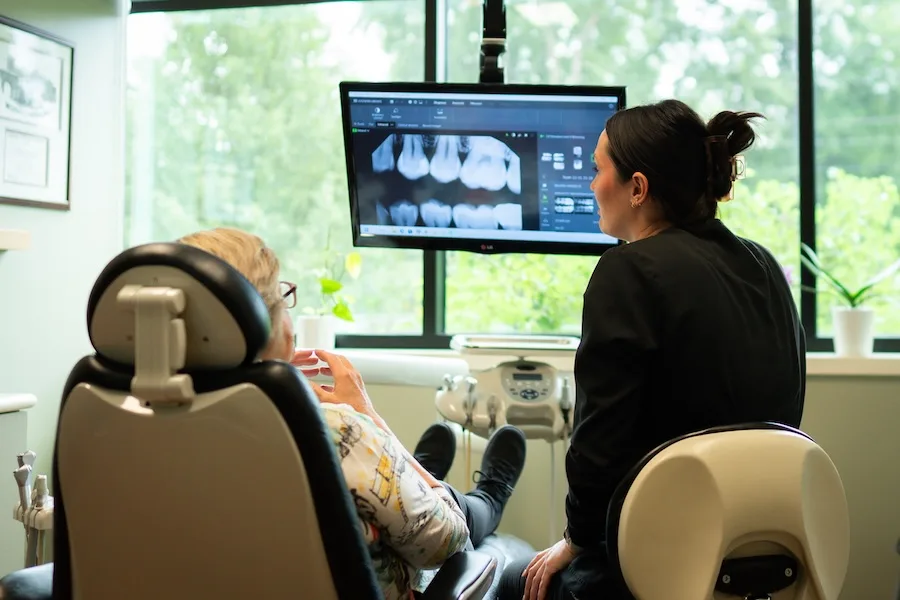
Bronte with patient

Getting a Tooth Removed

Occasionally a tooth may need to be removed. If you need an extraction, here's how it works.
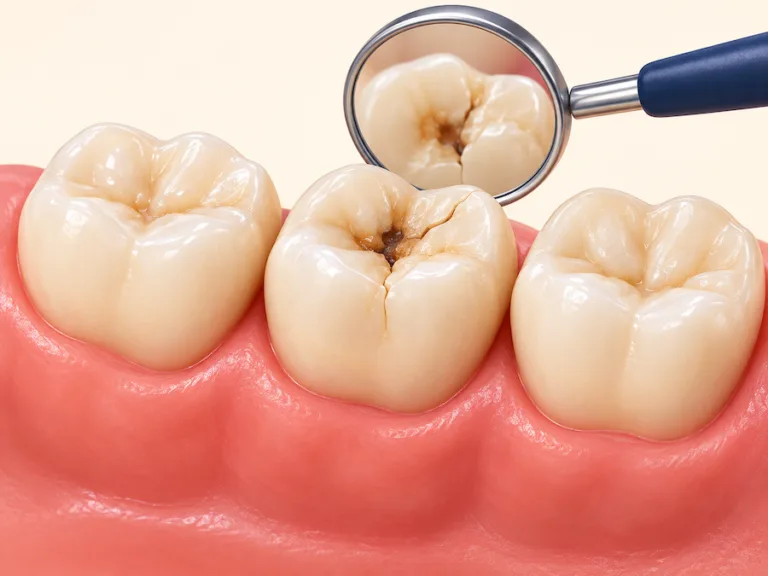
badtooth
1

Evaluate the Tooth

We examine the tooth and review an X-ray to determine if a tooth can be saved or if it should be removed.
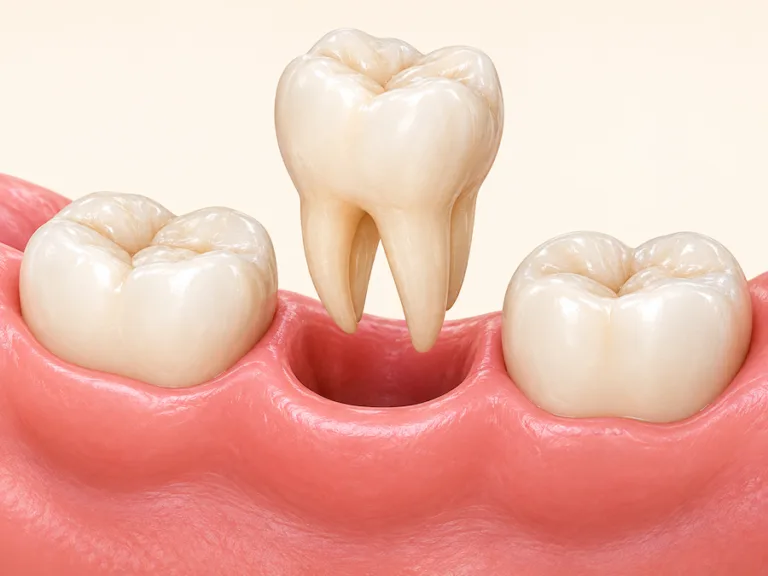
toothremove
2

Numb & Remove

We numb the area, make sure you’re comfortable, and carefully remove the tooth.
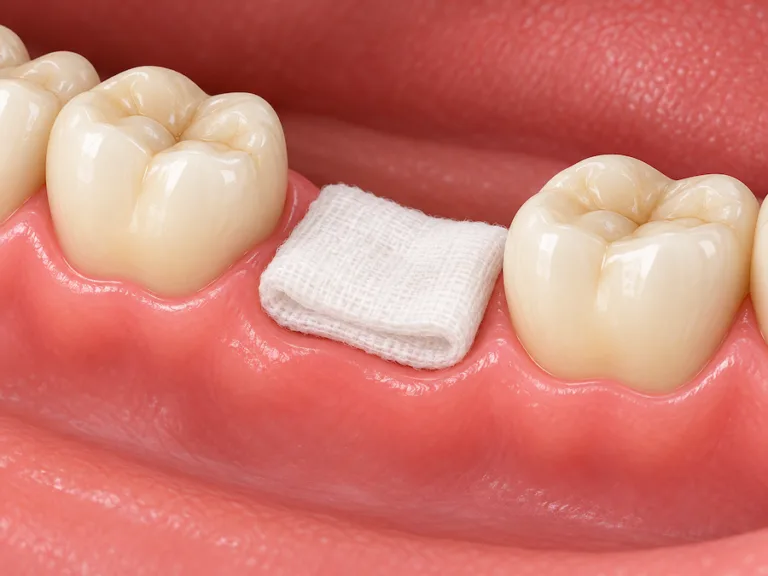
gauzeext
3

Protect the Area

We place gauze over the area for you to bite down on, and explain how to manage the site.
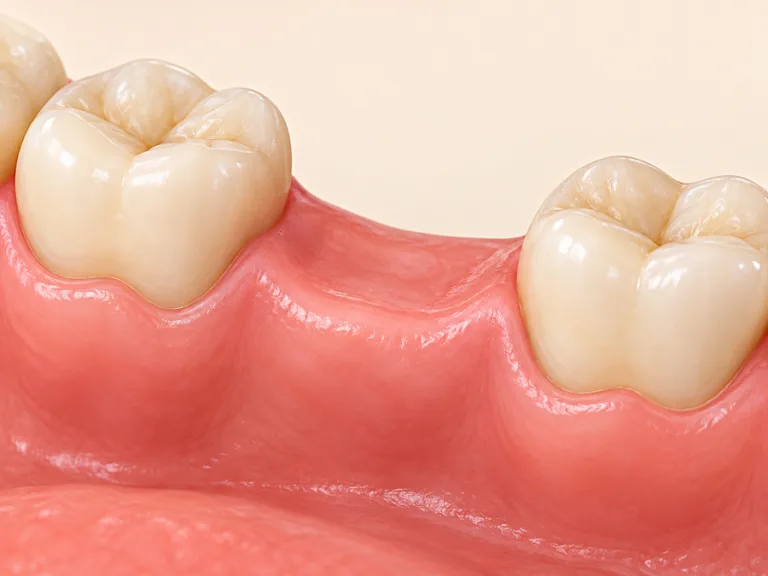
notooth
4

Heal & Plan Ahead

We monitor healing as needed and discuss tooth replacement options when appropriate.

When Tooth Removal Is Needed

After Treatment

After your extraction

What to Expect

Bite firmly on the gauze as directed. Firm pressure will promote clotting. If bleeding is difficult to stop, biting on a damp tea bag may help.
Some soreness and discomfort afterwards is normal. Follow pain control advice from your dentist.
Take it easy for the rest of the day, and avoid strenuous activity for at least 24 hours.
managing the site

Helping the Area Heal

Choose soft, nutritious foods. Chew on the unaffected side if possible and avoid hot foods and drinks, especially while you’re numb.
Protect the blood clot: avoid using straws, vigorous rinsing, and spitting. Don't smoke or vape.
After 24 hours, you can start to gently rinse with warm salt water as directed and brush carefully around the healing area.
payment information

Cost & Insurance

Before treatment begins, we'll provide a written estimate showing your cost, your expected insurance benefits, and the amount you'll owe following treatment. There are never any surprises.
We accept hundreds of plans, including Delta Dental, Aetna, Principal and Aflac. Please confirm your specific plan with our office; coverage varies by employer even within the same carrier.

Related Treatments

Let's take a look

Do you have a tooth giving you trouble?

Give us a call or schedule a consultation online. We'll take a look, explain what we find, and help you decide on what to do next.
Smiling Associated Dentists front desk team member talking with a patient on the phone
FAQs

Frequently asked questions about extractions

Does getting a tooth removed hurt?

We numb the area before removing the tooth. You may feel pressure or movement, but you should not feel sharp pain. Some soreness afterward is to be expected, and we’ll explain how to manage it.

How long does it take to recover?

Plan to rest the day your tooth is removed. After a straightforward extraction, many people can return to light activities the next day. More involved removals may require several days of recovery. The extraction site will continue to heal over the following weeks. 

What can I eat afterward?

Start with soft foods such as mashed potatoes, scrambled eggs, yogurt, and ice cream. Chew on the other unaffected side. Avoid hard or crunchy foods near the extraction site.

Will I need to replace the tooth?

Wisdom teeth and teeth removed for orthodontic treatment don’t need replacement. For other teeth, replacement can help restore chewing ability, appearance, and help prevent unwanted tooth movement. Options can include an implant, bridge, or partial denture.

Do you remove wisdom teeth at Associated Dentists?

We evaluate wisdom teeth and recommend removal when appropriate. Depending on the tooth’s position and the complexity of treatment, we may recommend care in our office, but a referral to an oral surgeon is a common course of treatment.

What will getting a tooth removed cost, and will insurance help cover it?

The cost of tooth removal often depends on the complexity of the extraction. The total cost may also include an examination, X-rays, or additional procedures. We’ll explain the recommended treatment and provide an estimate before any treatment is done.