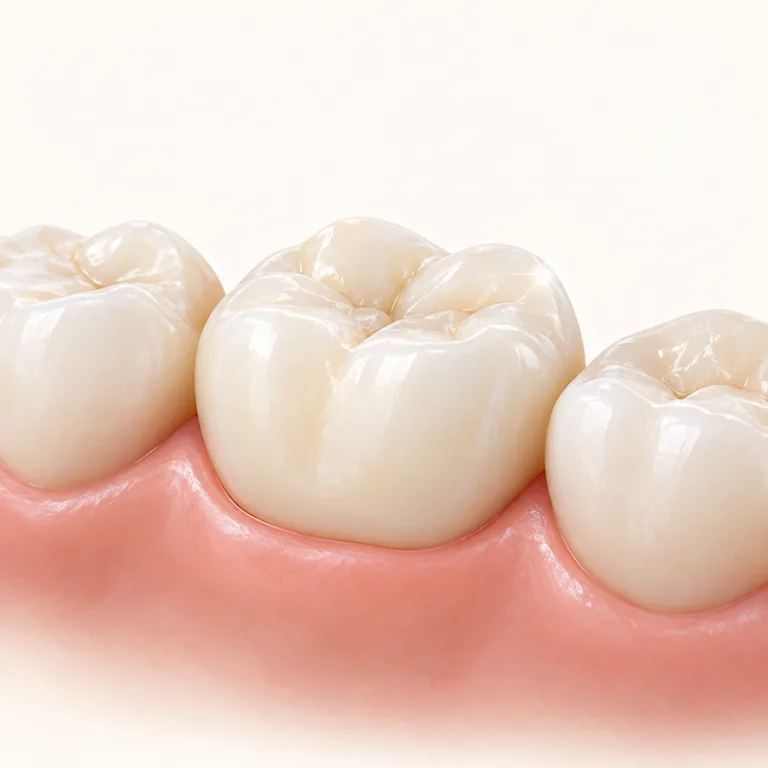
A crown is a custom cover that fits over a damaged or weakened tooth, protecting it and restoring the proper shape, appearance, strength, and bite. Crowns are also often used as part of a cosmetic treatment plan designed to improve a patient’s smile.
If a tooth is broken, causing pain, or being altered for cosmetic reasons, a crown might be recommended. Here's how it works.
1
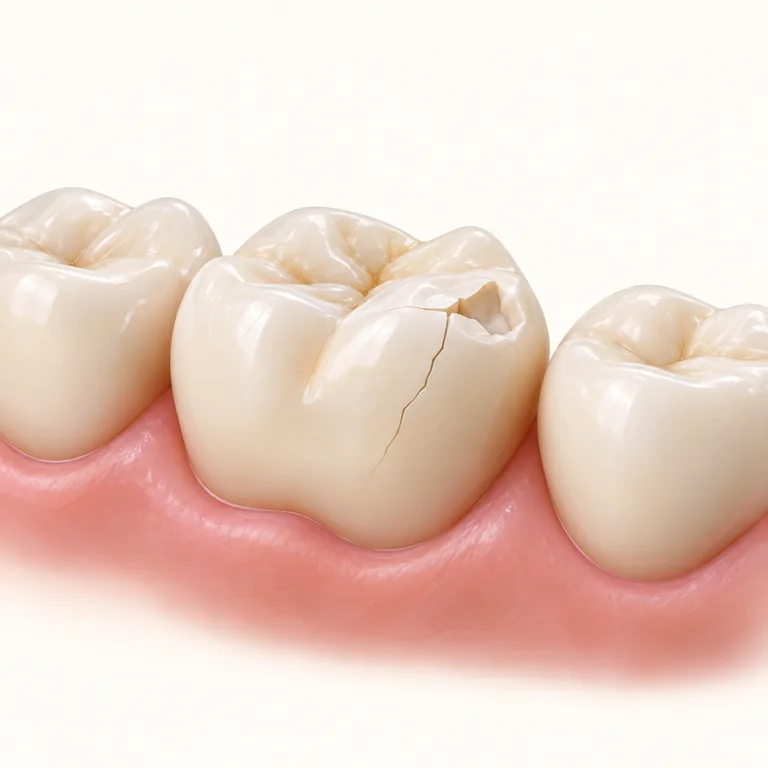
Evaluate the Tooth
We'll examine the tooth and determine if a crown is the proper treatment
2
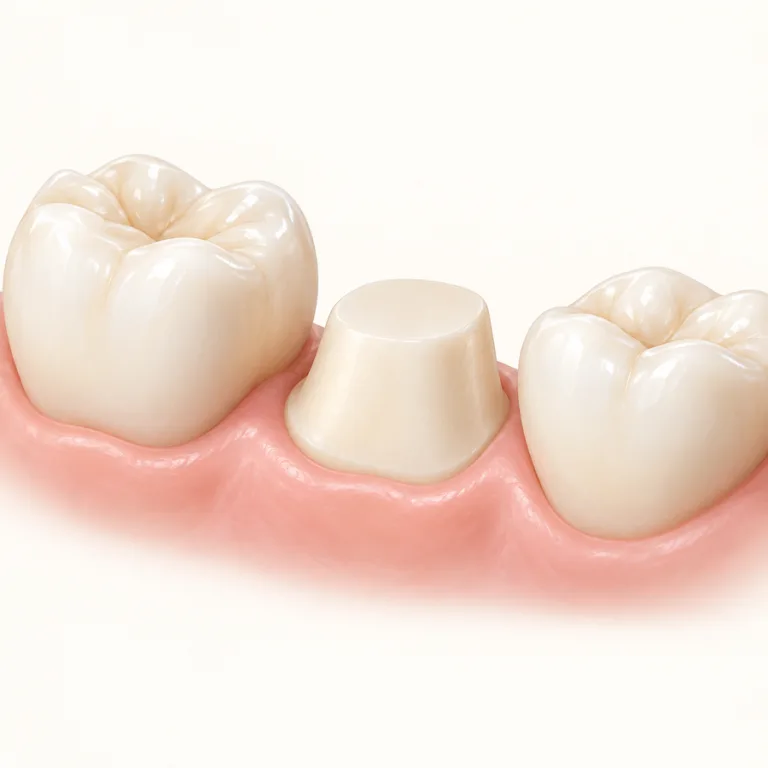
Prepare the Tooth
The tooth is numbed and carefully shaped in order to accommodate the crown.
3
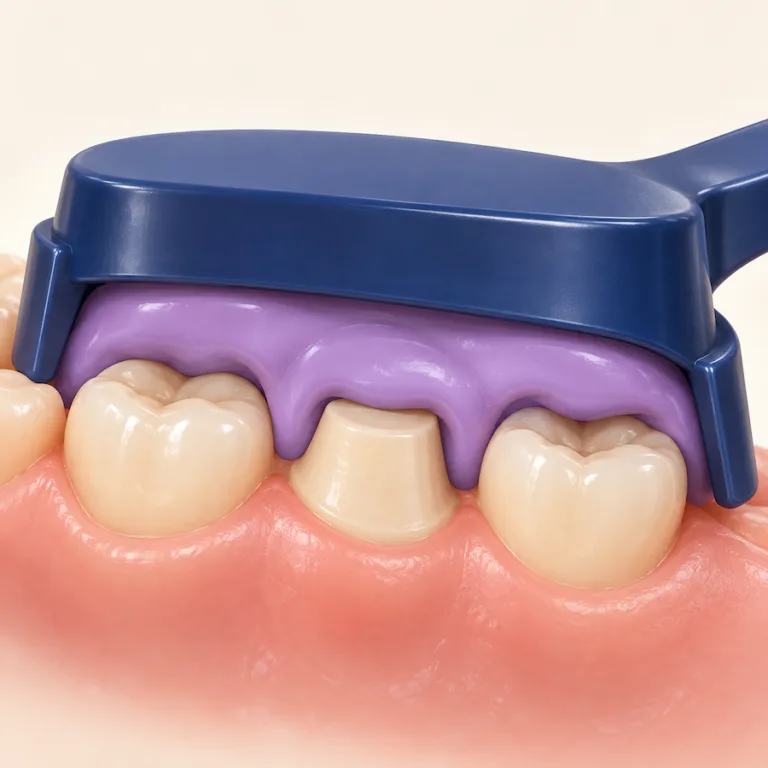
Impression or Digital Scan
We capture the precise shape of the tooth.
4
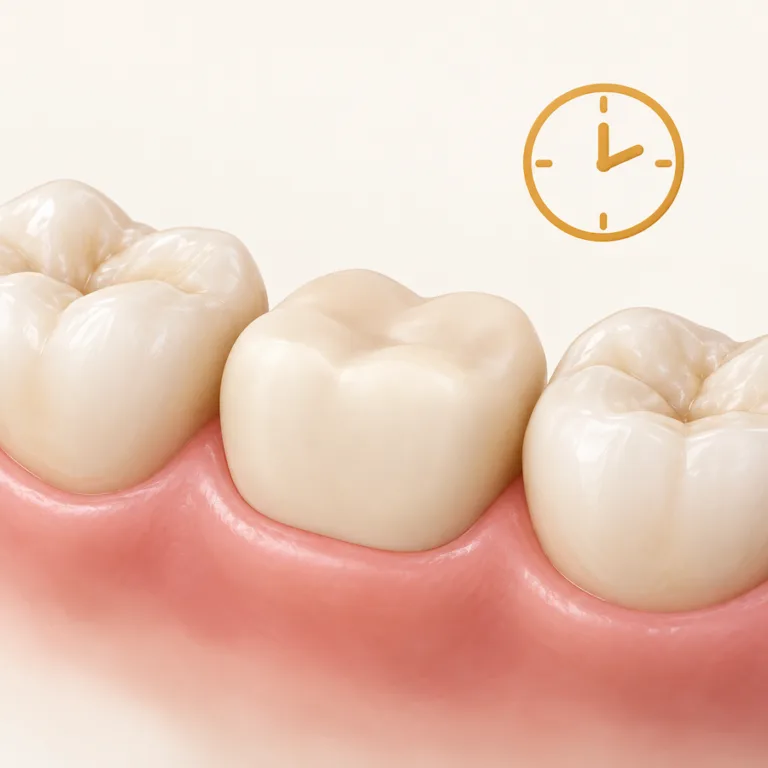
Protect the Tooth
A temporary crown protects the tooth while your final restoration is being made.
5
Placement of the Permanent Crown
We check the fit, shape and bite, then securely place the crown.
When Crowns Are Needed
To restore cracked or broken teeth
To restore teeth with failing fillings
After teeth have root canal treatment
To restore teeth with extensive tooth decay
Cosmetic reasons & smile enhancement
To restore dental implants
Video
What a Crown Does
A short explanation: why a tooth might need a crown & what the treatment process involves.
After Treatment
After your crown prep appointment
What to Expect After Treatment
Your mouth stays numb for a few hours. Go easy on hot drinks and chewing until it wears off.
Mild sensitivity to cold or pressure is not abnormal for a short while as you get used to your new crown.
Avoid sticky and hard foods on the side you had worked on while you have temporary crown in place.
Long term
Caring for Your Permanent Crown
Brush and floss normally.
Keep up with regular cleanings.
Avoid chewing ice. If you grind your teeth at night, ask us about a nightguard.
Results
Results
A Case From Our Office
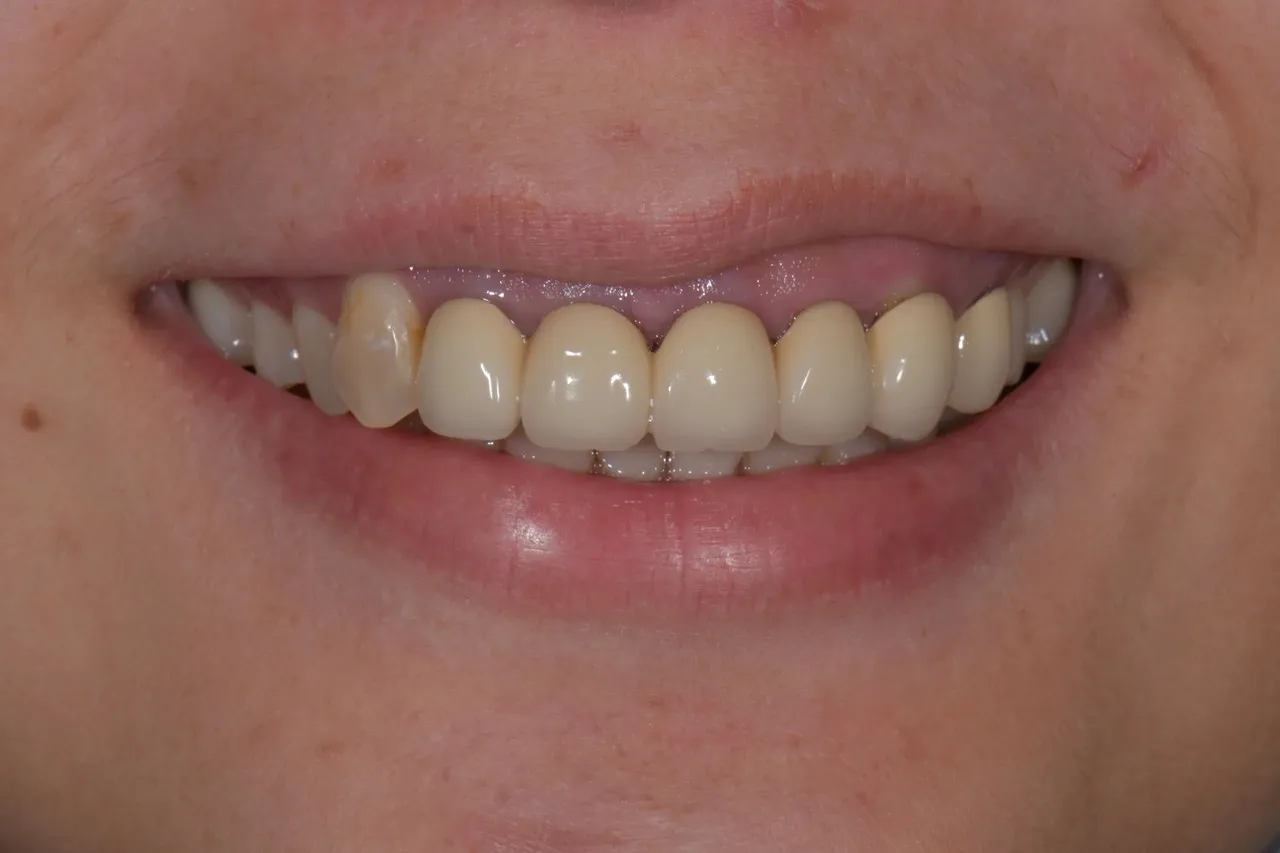
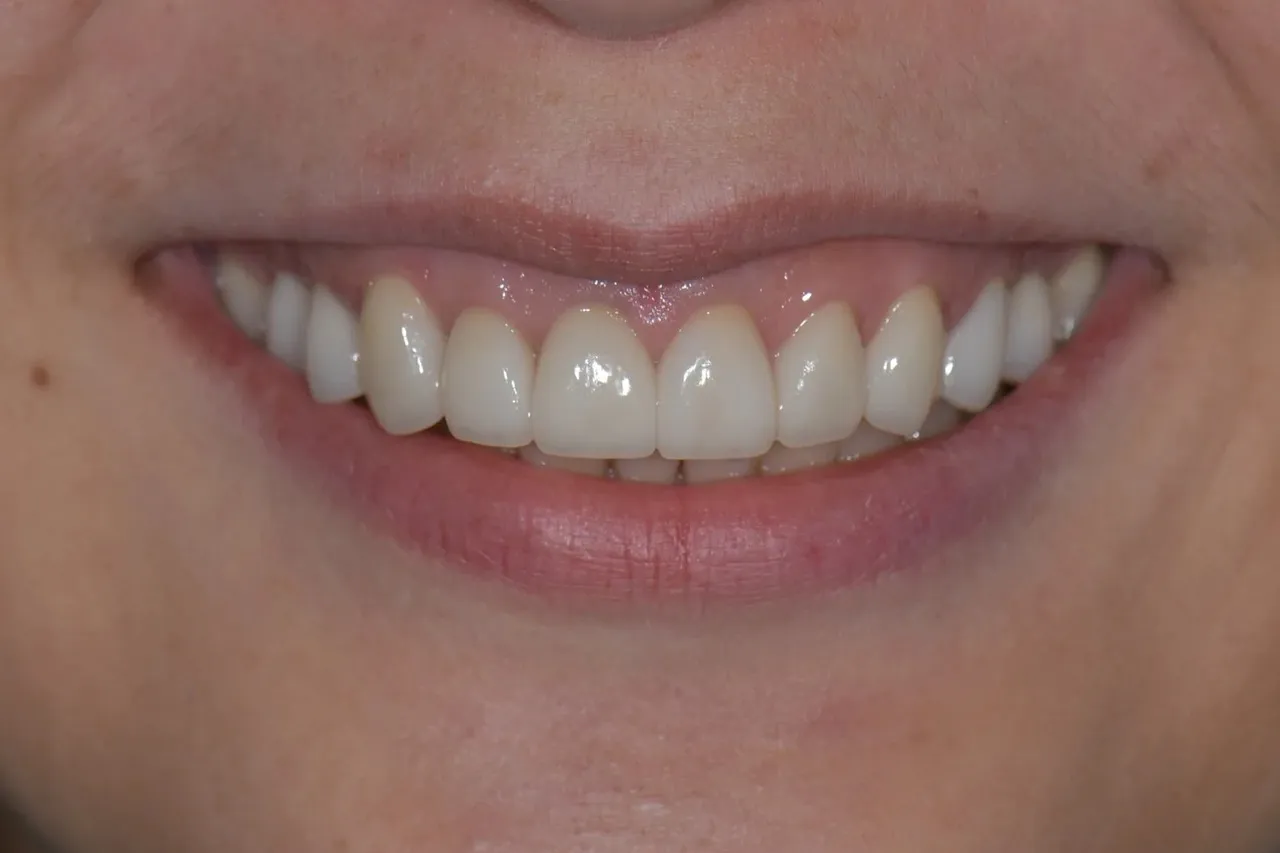
This patient had crowns that were failing after years of service. We restored the teeth with modern dental crowns, and improved the esthetics of the teeth in the process.
Case treated at Associated Dentists and published with patient's approval.
"It was so painless, the crowns were a perfect fit, the whole process was very easy and clean... I'll tell all my friends about it."
payment information
Cost & Insurance
Before treatment begins, we'll provide a written estimate showing your cost, your expected insurance benefits, and the amount you'll owe following treatment. There are never any surprises.
Our insurance team checks your coverage and puts the numbers in writing before treatment starts.
We accept hundreds of plans, including Delta Dental, Aetna, Principal and Aflac. Please confirm your specific plan with our office; coverage varies by employer even within the same carrier.
The tooth is fully numbed before we start, and we check your comfort as we go. After the appointment people may notice some tooth or gum sensitivity. This is nothing to be alarmed about and generally settles down as the tooth gets used to the new restoration.
Why do I need a crown instead of a filling?
A filling relies on the healthy tooth around it for support. Once too much structure is gone, whether from decay, a fracture or a large old filling, there may not be enough strong tooth structure remaining. A crown is needed to restore the proper shape and strength so the tooth can function normally.
How long does a dental crown last?
It is truly unique to every situation, and depends on the situation the tooth was in prior to the crown being done. But crowns can often last many years and even decades as long as the tooth is properly maintained with proper home care and dental cleanings & checkups. Ten to fifteen years is a common range, and many crowns last considerably longer.
Can I get a crown in one visit?
At Associated Dentists crowns are done in 2 visits. The tooth is shaped at the first visit and temporized with a temporary crown. The permanent crown is permanently cemented in place at the follow up visit 1-2 weeks later. A dental laboratory fabricates the crown. While technology exists to make the crown “in-house” and cemented the same day, we still feel that a crown made by a dental laboratory is the strongest and provides the most accurate fit in most instances.
Will my crown look natural?
Crowns can be highly esthetic, especially with modern techniques and materials. Many times teeth are done specifically to enhance the look of the tooth.
What will a crown cost, and will insurance help?
The cost will depend on your specific situation and whether or not you have dental insurance. If you need a crown call our office and our financial department can check on your specific insurance plan or give you a quote if you are a cash patient.
What if my temporary crown comes off?
It happens occasionally and usually isn’t an emergency. Keep the temporary if you can, avoid chewing on that side, and don’t use household glue on it. Getting the temporary back on within a day or two is ideal in order to prevent anything from shifting while the permanent crown is being made.
Do I still need to floss around a crown?
Yes. While the crown itself can’t decay, the natural tooth at the gumline underneath it can. Proper brushing and flossing around it will greatly extend the life of the crown.