A nightguard is a custom-made appliance that protects your teeth, fillings, and crowns from wear caused by clenching or grinding while you sleep. You may not realize you’re doing it until you notice worn teeth or wake up with a sore jaw.
Wearing a guard each night can really help patients that clench and grind - something very common in this day and age. Nightguards can alleviate tooth soreness and jaw pain. If you're considering a guard, here's how it works.
1
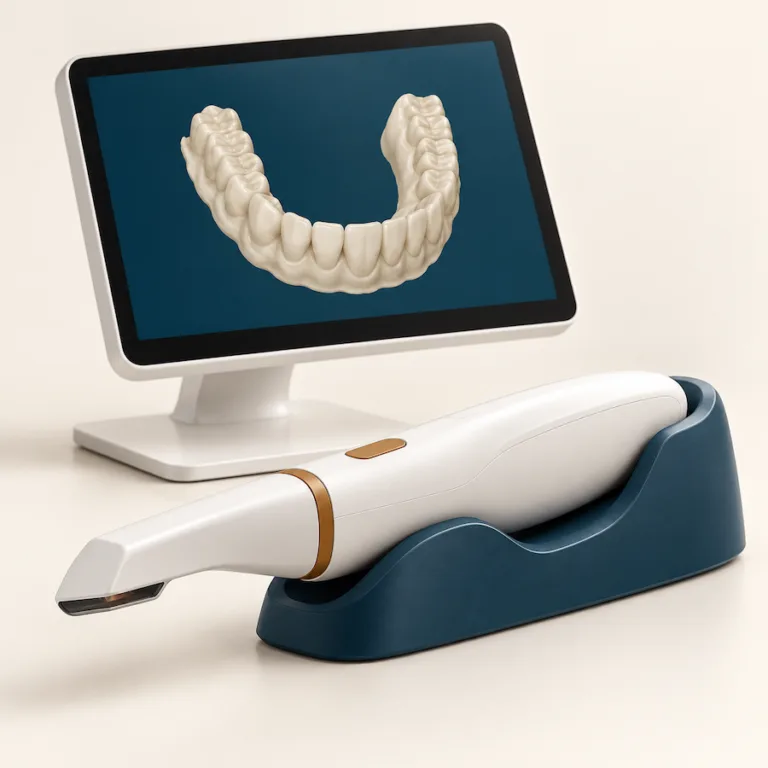
Digital Scan
We'll take a digital scan of your teeth and send it to a dental laboratory. It takes about 1-2 weeks to have the guard made.
2
Custom Nightguard
A couple weeks later we'll try in your guard, evaluate the fit, and confirm the bite is correct.
3
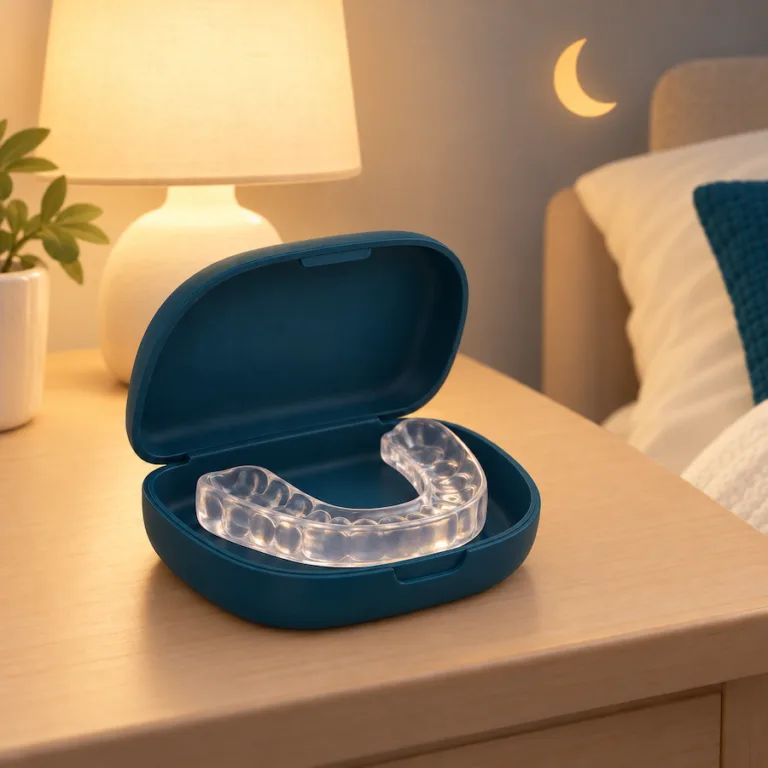
Wear It Each Night
Wear your guard each night while you sleep.
4
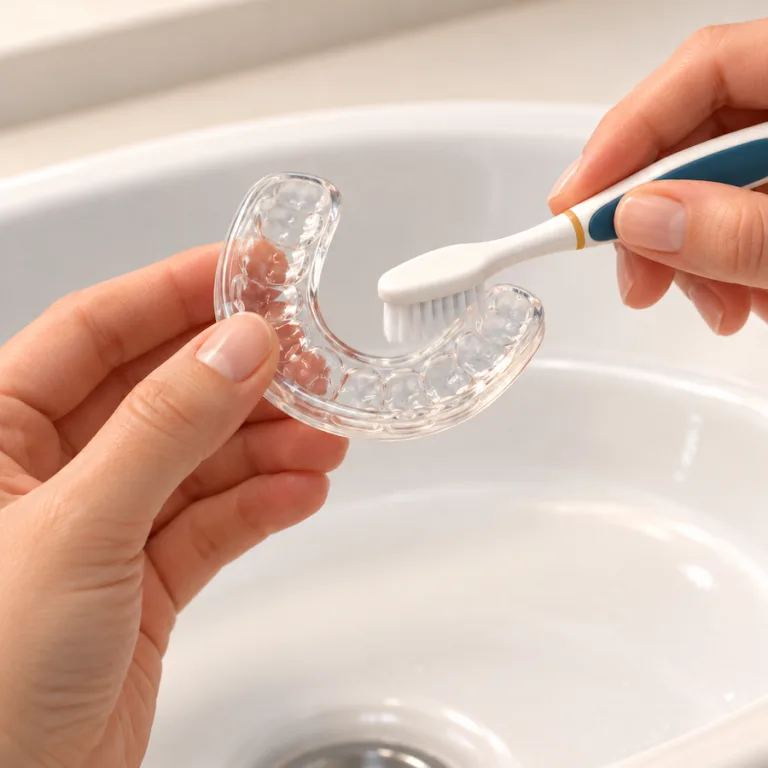
Clean It Each Morning
Clean the guard each morning with a some dish soap and water.
Signs of Teeth Grinding or Clenching
Pain in the jaw or chewing muscles
Tooth wear or tooth pain
Frequent headaches
Video
What a Nightguard Does
A short explanation: why someone might need a nightguard, and what the treatment process involves.
Using Your Appliance
After you get your nightguard
What to Expect
It will take a few nights to get used to the guard. Be patient.
Follow your dentist's directions for use for your particular appliance.
If symptoms do not improve over time or you have trouble wearing your guard contact your dentist.
Long term care
Caring for Your Nightguard
Clean it every day with a brush you that you reserve just for your guard. Use your brush and a little bit of dish soap and water.
After cleaning your guard gently dry it and store it in your case.
Bring it to your dental cleaning appointments so we can professionally clean it and check the fit.
payment information
Cost & Insurance
Before treatment begins, we'll provide a written estimate showing your cost, your expected insurance benefits, and the amount you'll owe following treatment. We’ll review your estimate with you before we get started.
We accept hundreds of plans, including Delta Dental, Aetna, Principal and Aflac. Please confirm your specific plan with our office; coverage varies by employer even within the same carrier.
You may notice worn or chipped teeth, wake up with tired or sore jaw muscles, or hear from a partner that you grind your teeth while sleeping. Some people have no obvious symptoms. Your dentist can check for signs of grinding and help determine whether a nightguard would benefit you.
How many appointments will I need?
A nightguard is generally fabricated over two visits. A scan of your teeth is done at the first visit, and the guard is delivered at the second visit 1-2 weeks later.
Do I need to wear it every night?
If your nightguard is prescribed for nighttime grinding, regular nightly use provides protection while you sleep. Your dentist will recommend a schedule based on your needs.
Can I wear a nightguard if I have crowns or dental implants?
Often, yes. A custom nightguard can help protect natural teeth and dental restorations from grinding forces. We’ll consider your crowns, implants, or bridges when designing and fitting your guard.
What will a nightguard cost, and will insurance help?
The cost will depend on your specific situation and whether or not you have dental insurance. If you have questions about your coverage, call our office and our financial department can check on your specific insurance plan, or give you a quote if you are a cash patient.